
Ideas for
your next move.
Practical thinking for teams building software, securing systems and operating modern infrastructure. Explore our engineering field notes.
500 insights · Page 6 of 42
 ENGINEERING JOURNAL ↗
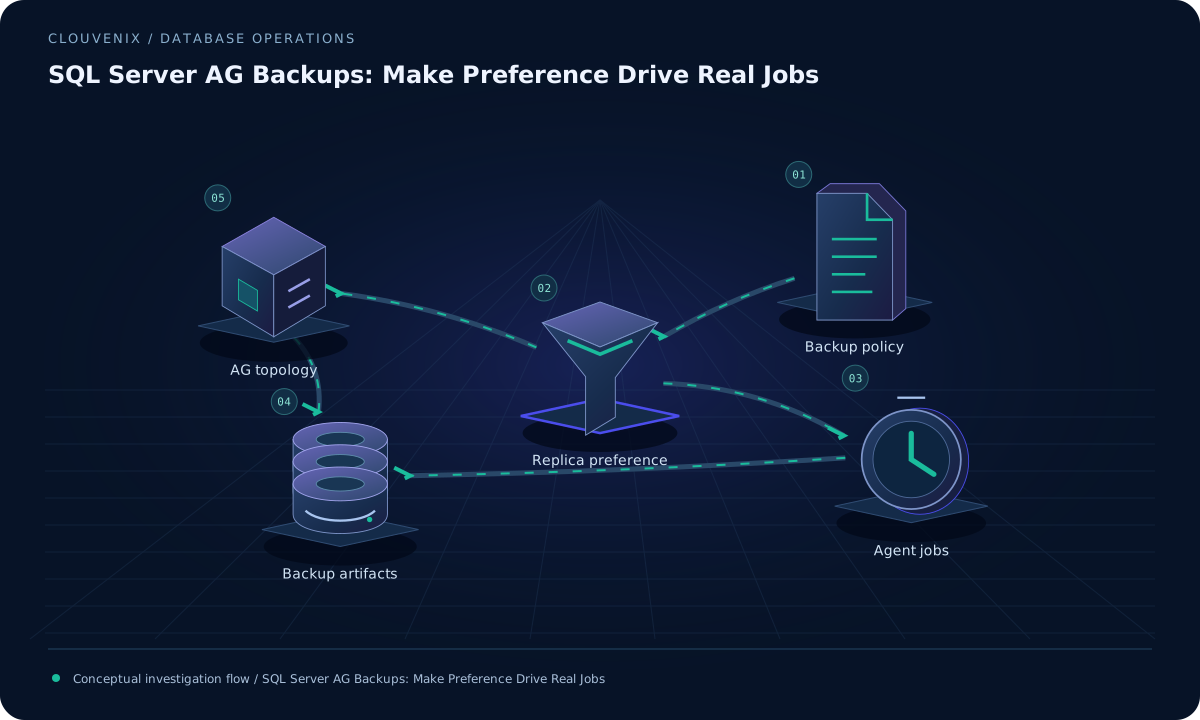
SQL Server AG Backups: Make Preference Drive Real Jobs
Review Always On backup placement through SQL Server version support, replica health, job logic, shared history, and recovery-artifact access.
Read field note ↗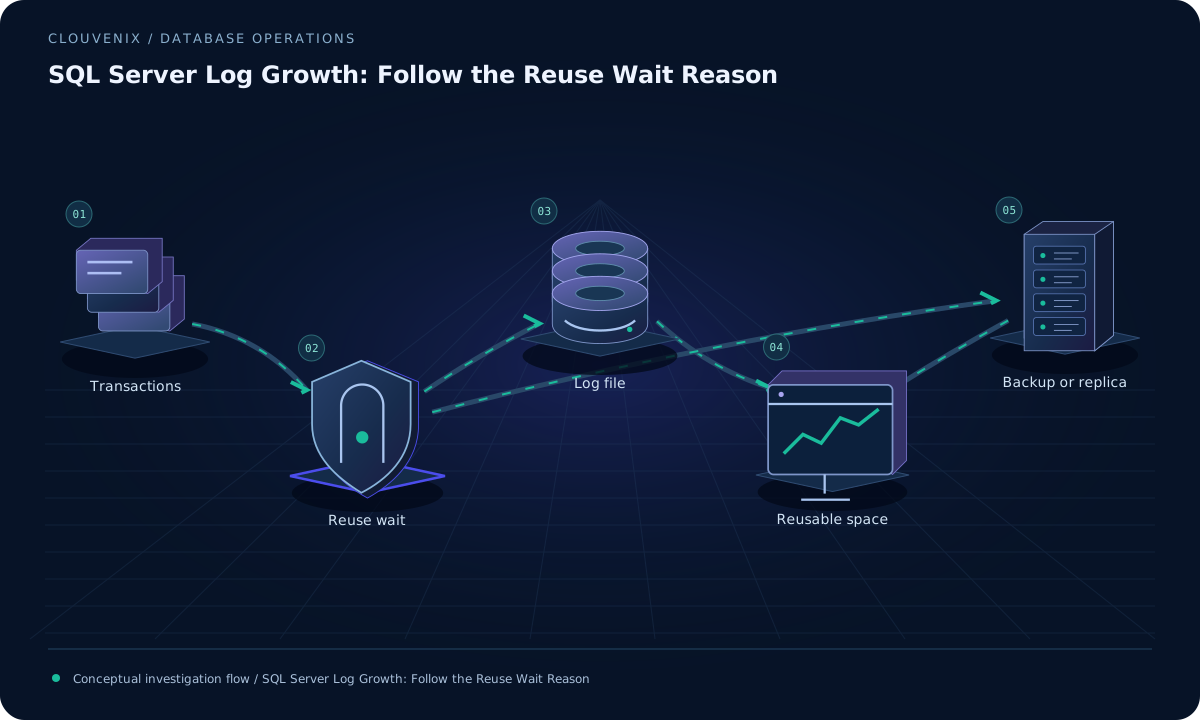 ENGINEERING JOURNAL ↗
SQL Server Log Growth: Follow the Reuse Wait Reason
Investigate SQL Server transaction-log growth through occupied space, recovery model, and the reported reuse wait before considering file operations.
Read field note ↗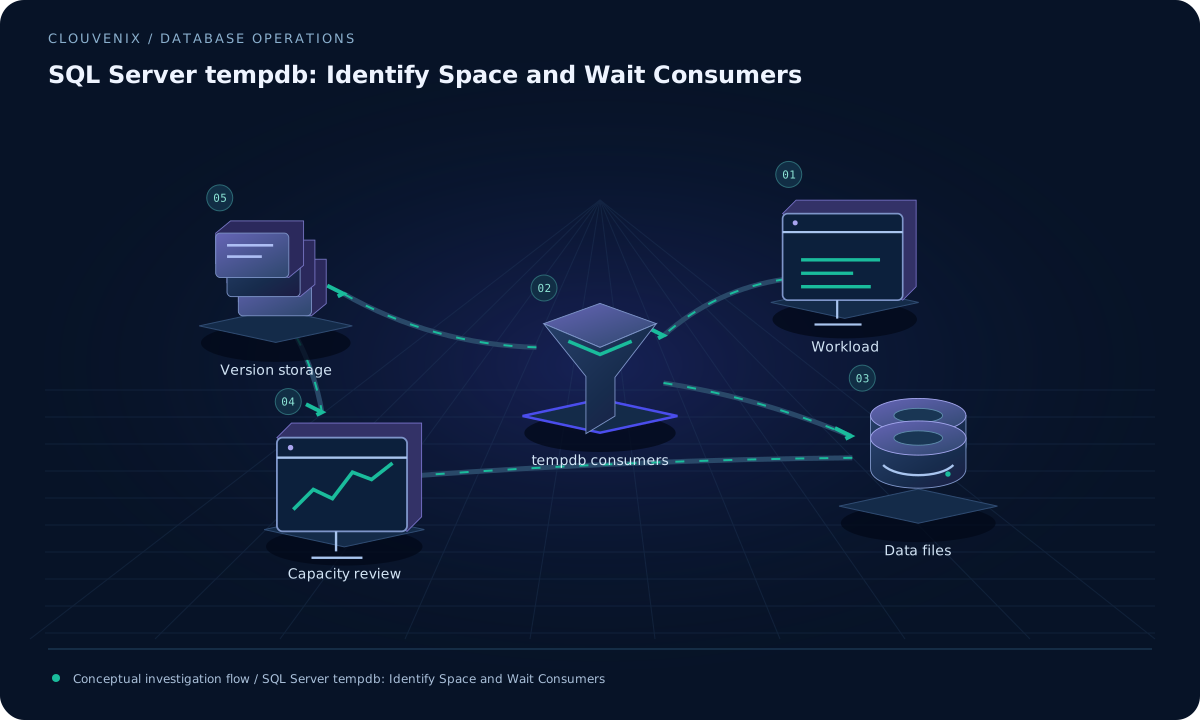 ENGINEERING JOURNAL ↗
SQL Server tempdb: Identify Space and Wait Consumers
Diagnose SQL Server tempdb pressure by separating user objects, internal work, version storage, and allocation waits before changing file layout.
Read field note ↗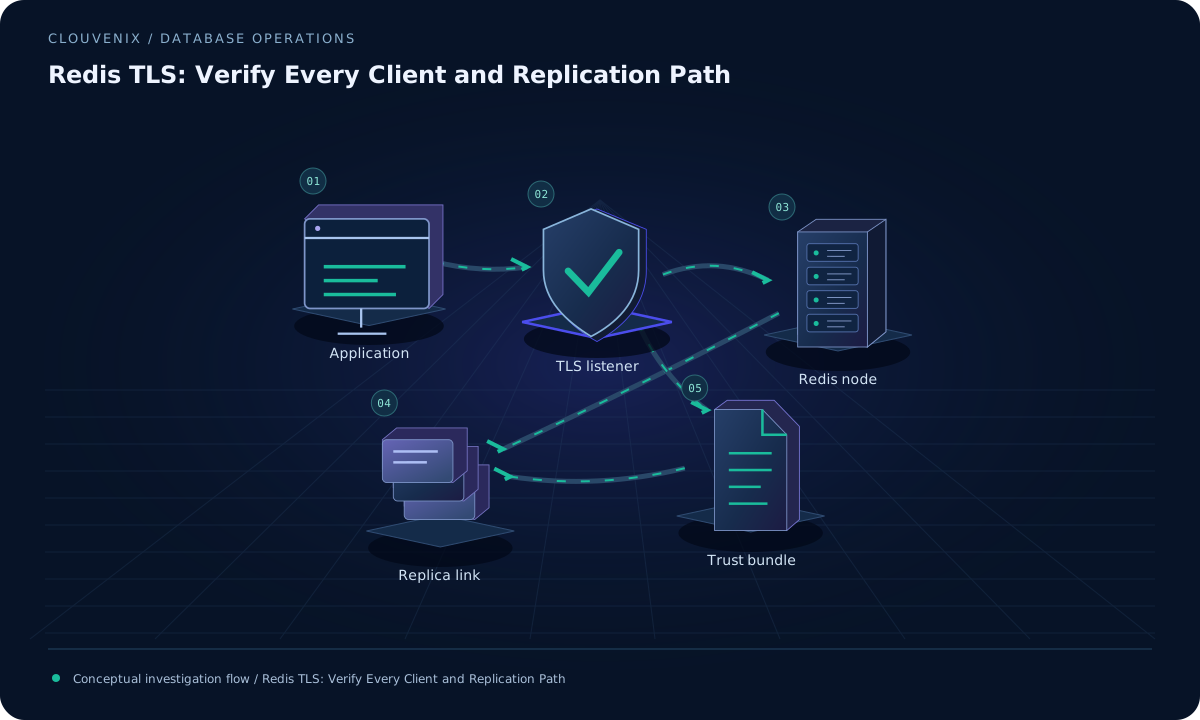 ENGINEERING JOURNAL ↗
Redis TLS: Verify Every Client and Replication Path
Plan Redis TLS changes across application connections, replicas, Sentinel or Cluster links, certificate identity, and the runtime trust configuration.
Read field note ↗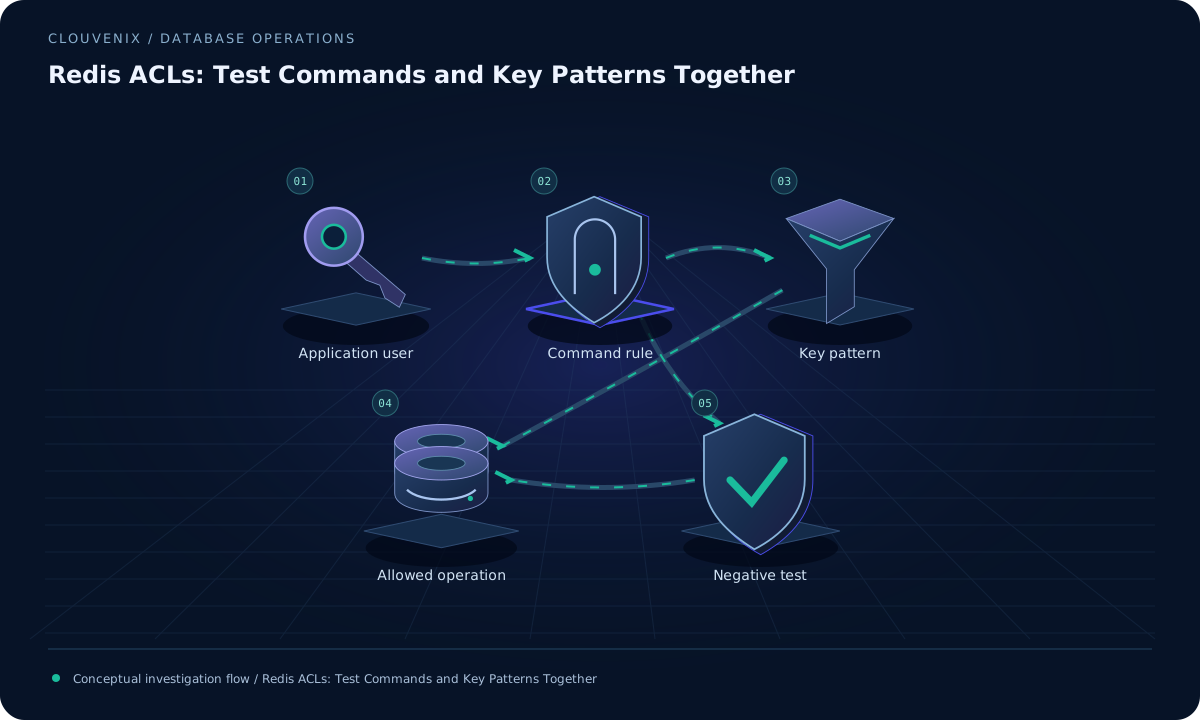 ENGINEERING JOURNAL ↗
Redis ACLs: Test Commands and Key Patterns Together
Review Redis ACL access through the actual command, key, channel, and selector rules, then test expected permissions without executing business writes.
Read field note ↗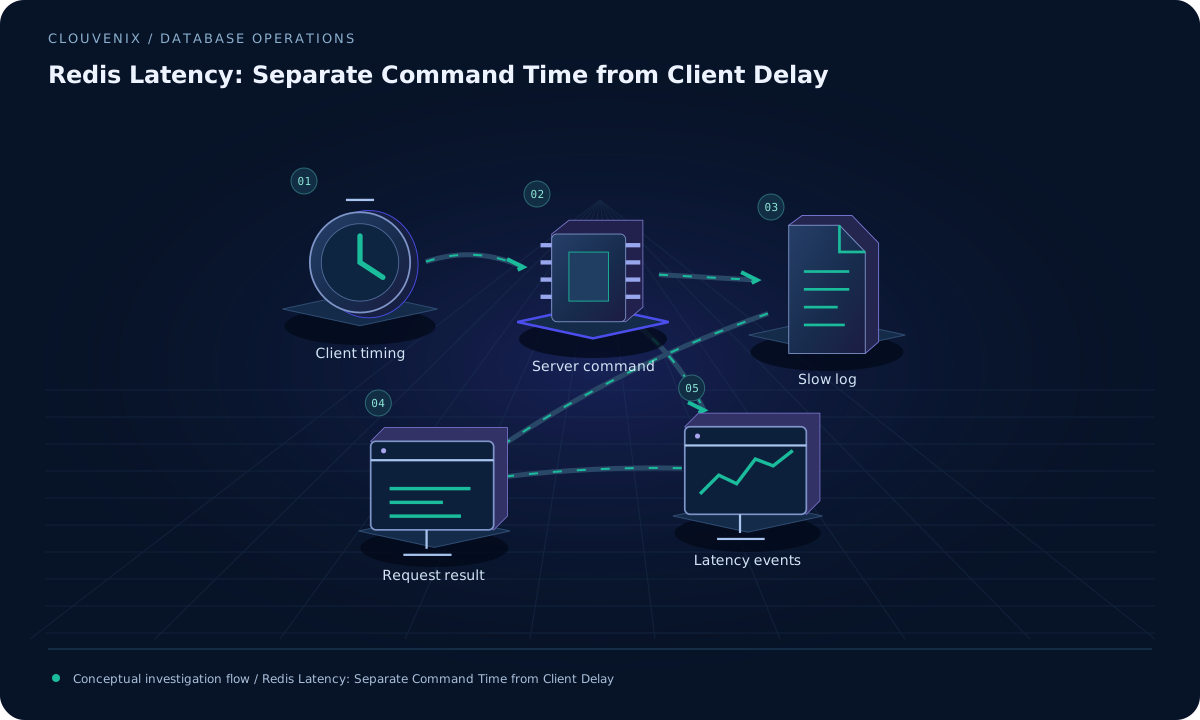 ENGINEERING JOURNAL ↗
Redis Latency: Separate Command Time from Client Delay
Investigate Redis latency with bounded slow-log samples, event monitoring, application timings, and host evidence that refer to the same interval.
Read field note ↗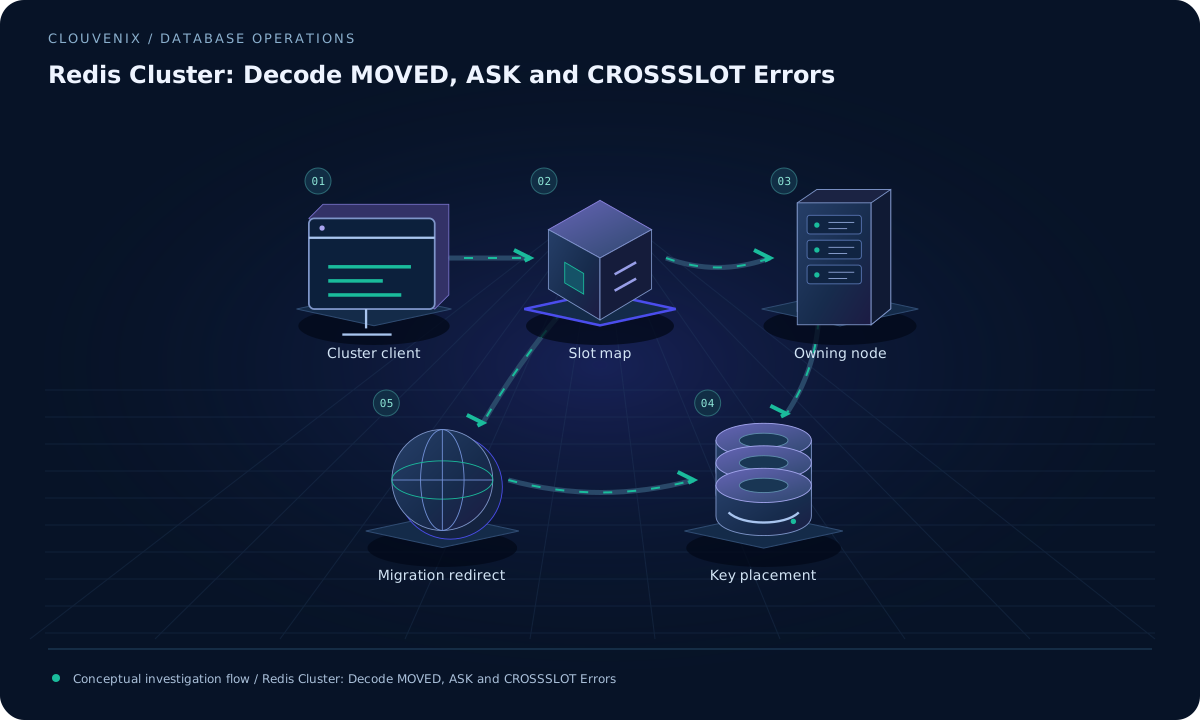 ENGINEERING JOURNAL ↗
Redis Cluster: Decode MOVED, ASK and CROSSSLOT Errors
Follow Redis Cluster errors through client slot routing, migration redirections, advertised endpoint reachability, and multi-key placement rules.
Read field note ↗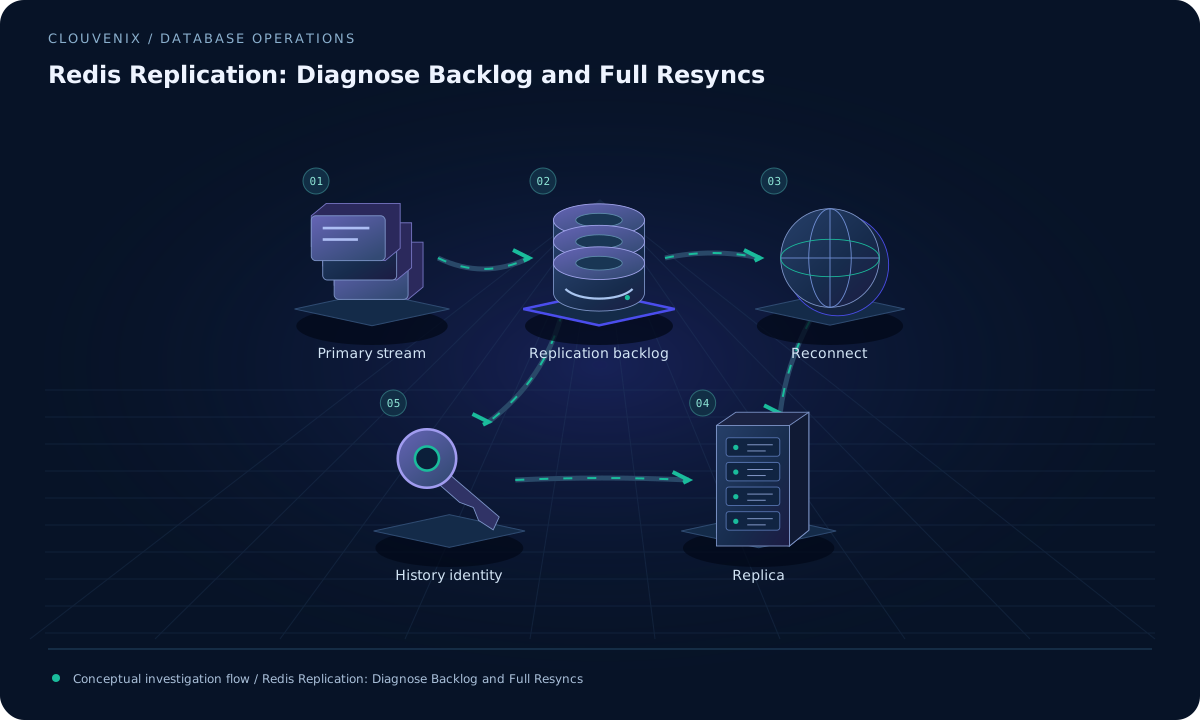 ENGINEERING JOURNAL ↗
Redis Replication: Diagnose Backlog and Full Resyncs
Investigate repeated Redis full resynchronization by comparing replication history, offsets, disconnection patterns, and backlog capacity.
Read field note ↗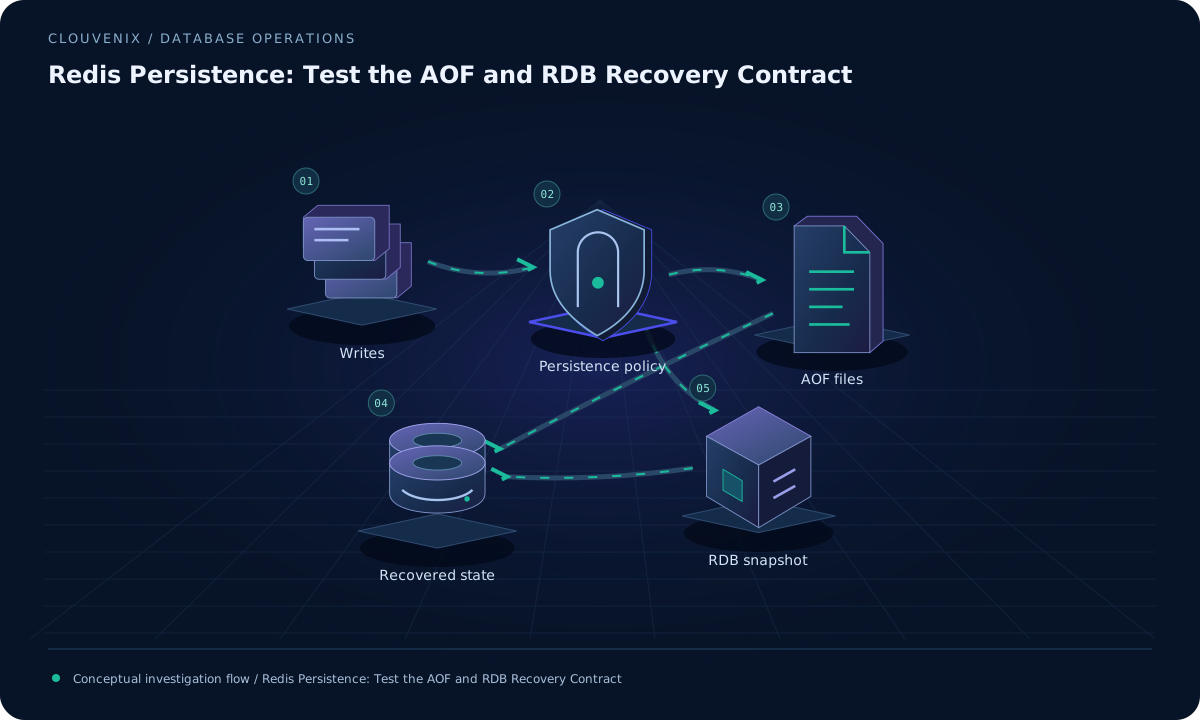 ENGINEERING JOURNAL ↗
Redis Persistence: Test the AOF and RDB Recovery Contract
Choose Redis AOF and RDB behavior from the data-loss requirement, inspect persistence health, and test recovery from the complete saved artifact.
Read field note ↗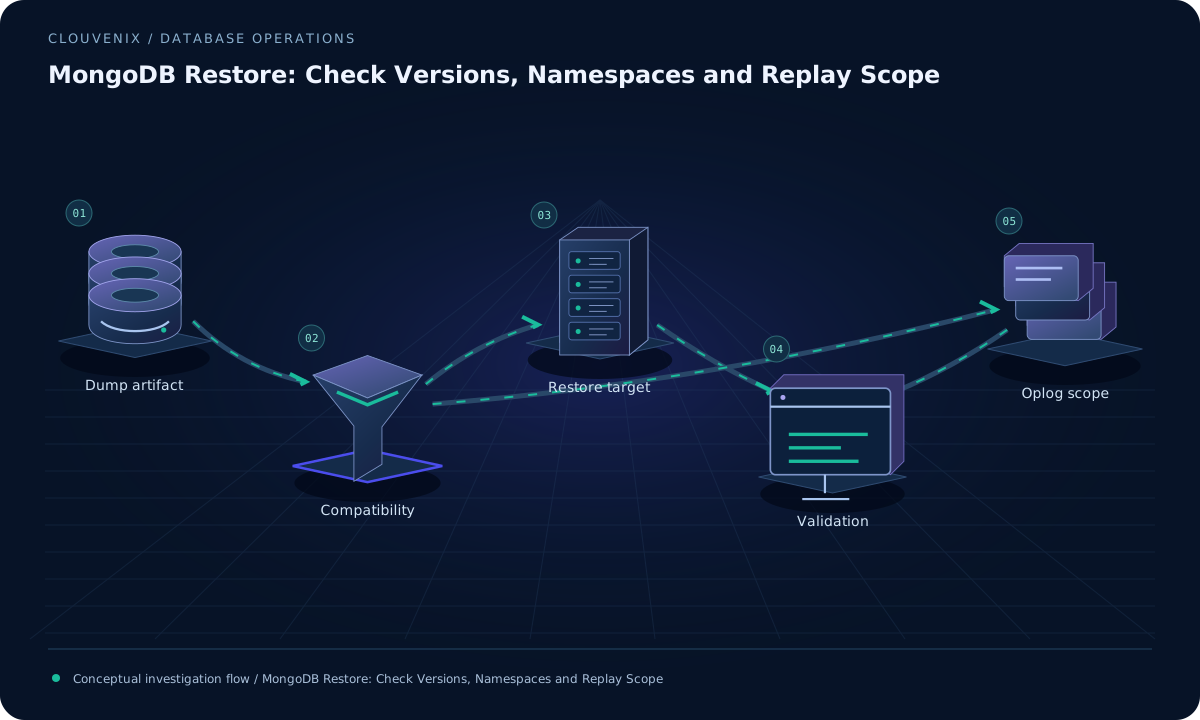 ENGINEERING JOURNAL ↗
MongoDB Restore: Check Versions, Namespaces and Replay Scope
Prepare a mongorestore run by matching tool and server compatibility, isolating the destination, and choosing namespace or oplog replay scope deliberately.
Read field note ↗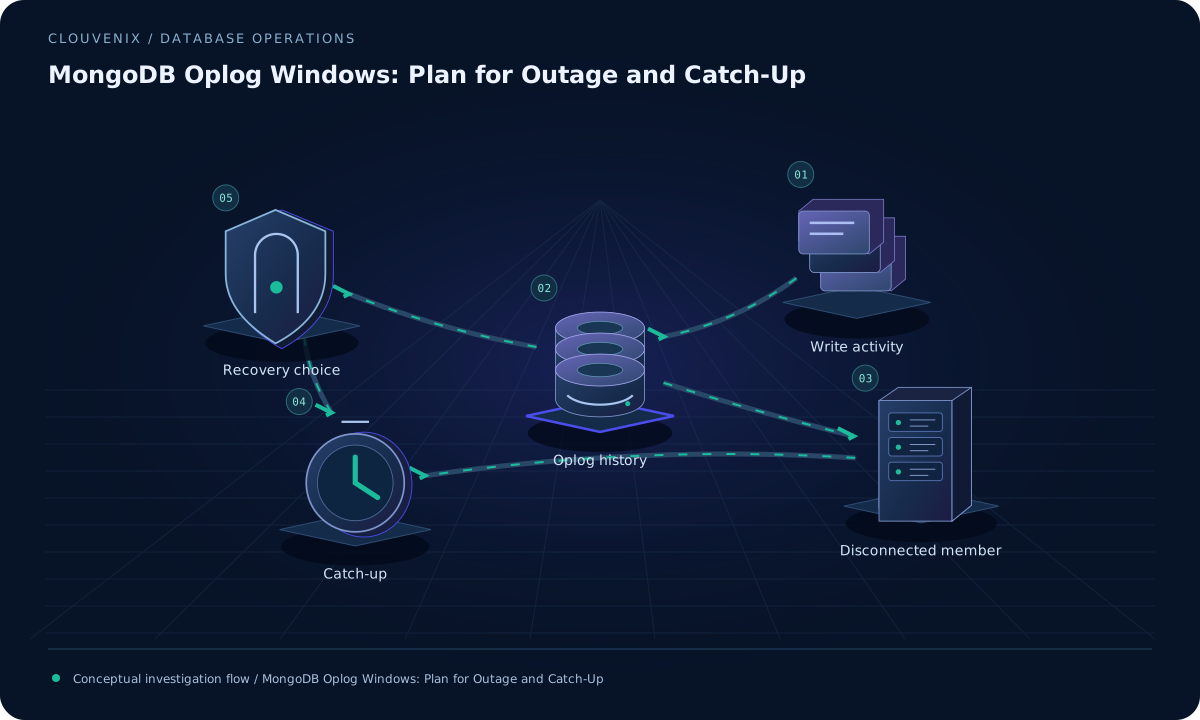 ENGINEERING JOURNAL ↗
MongoDB Oplog Windows: Plan for Outage and Catch-Up
Assess MongoDB oplog history using observed write activity, maintenance duration, and secondary catch-up time before assuming a fixed outage allowance.
Read field note ↗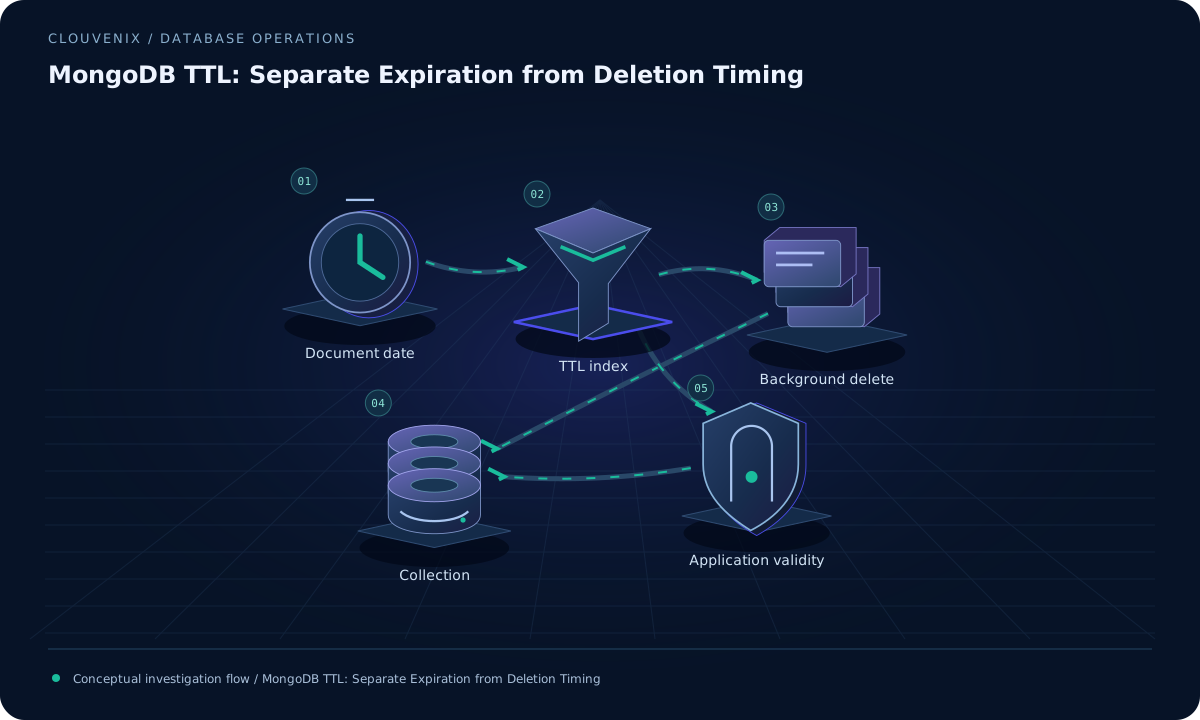 ENGINEERING JOURNAL ↗
MongoDB TTL: Separate Expiration from Deletion Timing
Investigate MongoDB TTL behavior through date types, index configuration, primary-side deletion, and background progress rather than exact-time assumptions.
Read field note ↗