
Ideas for
your next move.
Practical thinking for teams building software, securing systems and operating modern infrastructure. Explore our engineering field notes.
500 insights · Page 10 of 42
 ENGINEERING JOURNAL ↗
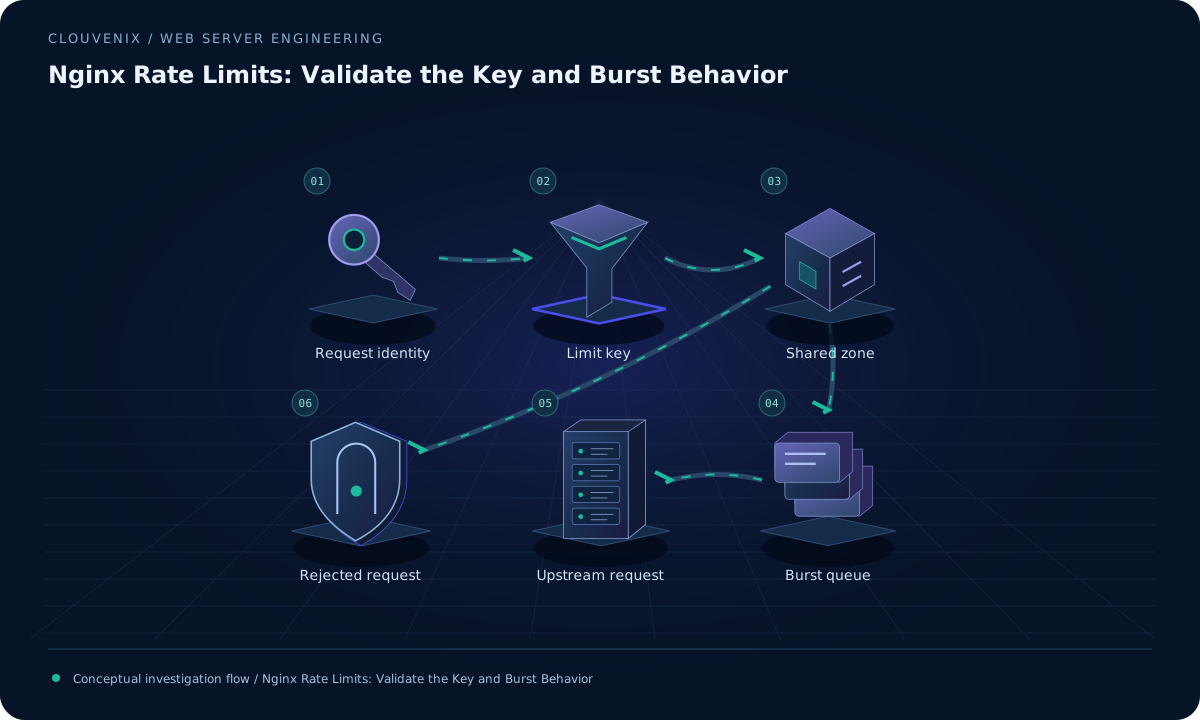
Nginx Rate Limits: Validate the Key and Burst Behavior
Design a useful Nginx request limit by testing client identity, shared keys, burst handling and dry-run evidence against representative legitimate traffic.
Read field note ↗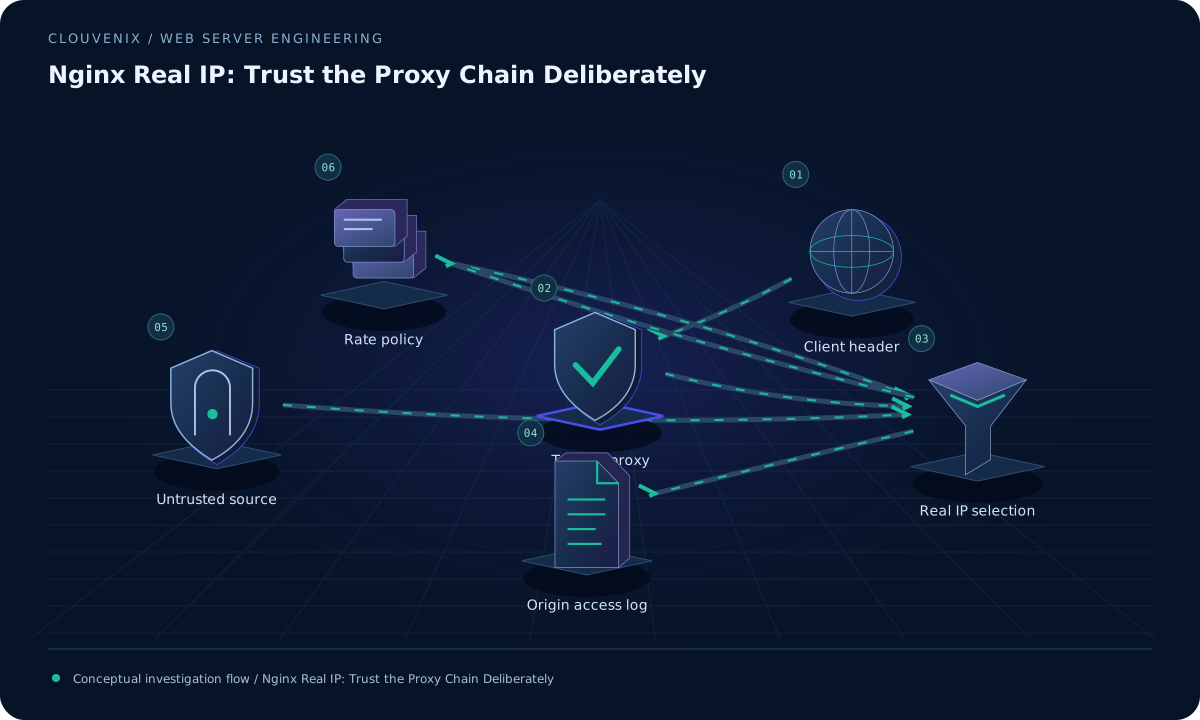 ENGINEERING JOURNAL ↗
Nginx Real IP: Trust the Proxy Chain Deliberately
Restore accurate Nginx client addresses by mapping trusted proxy hops, selecting the intended header and testing spoofed headers from an untrusted source.
Read field note ↗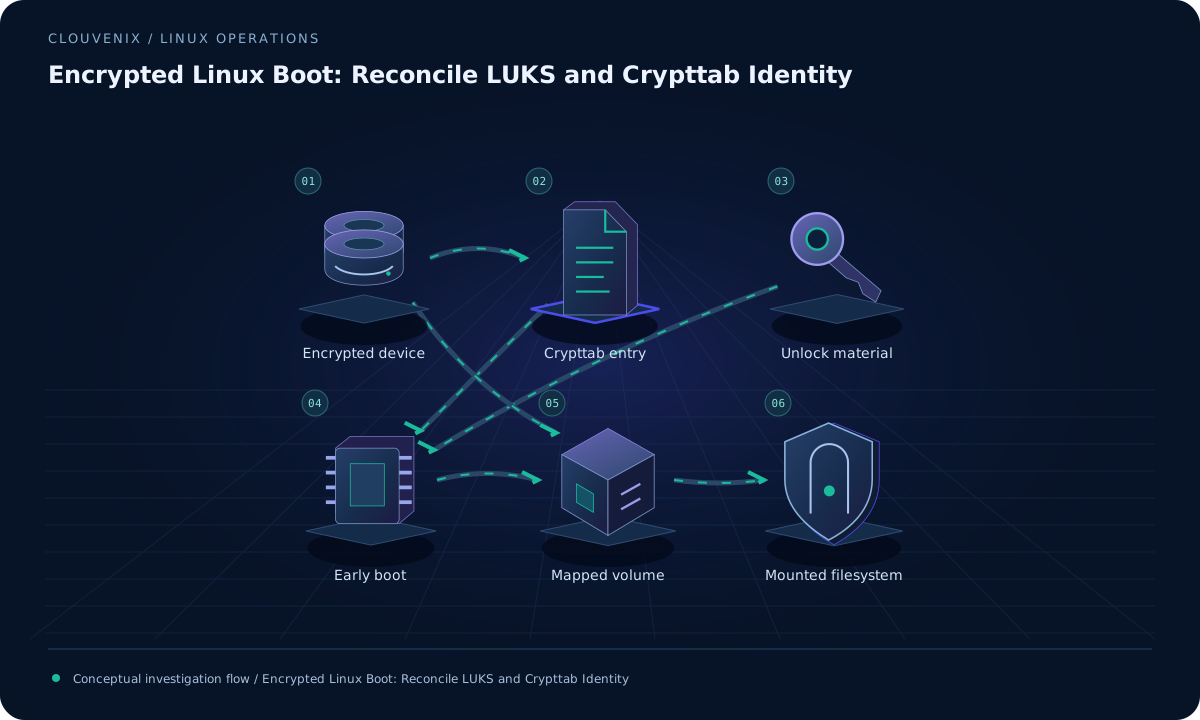 ENGINEERING JOURNAL ↗
Encrypted Linux Boot: Reconcile LUKS and Crypttab Identity
Prepare an encrypted Linux boot investigation by separating device discovery, crypttab mapping, unlock material and early-boot configuration before rebooting.
Read field note ↗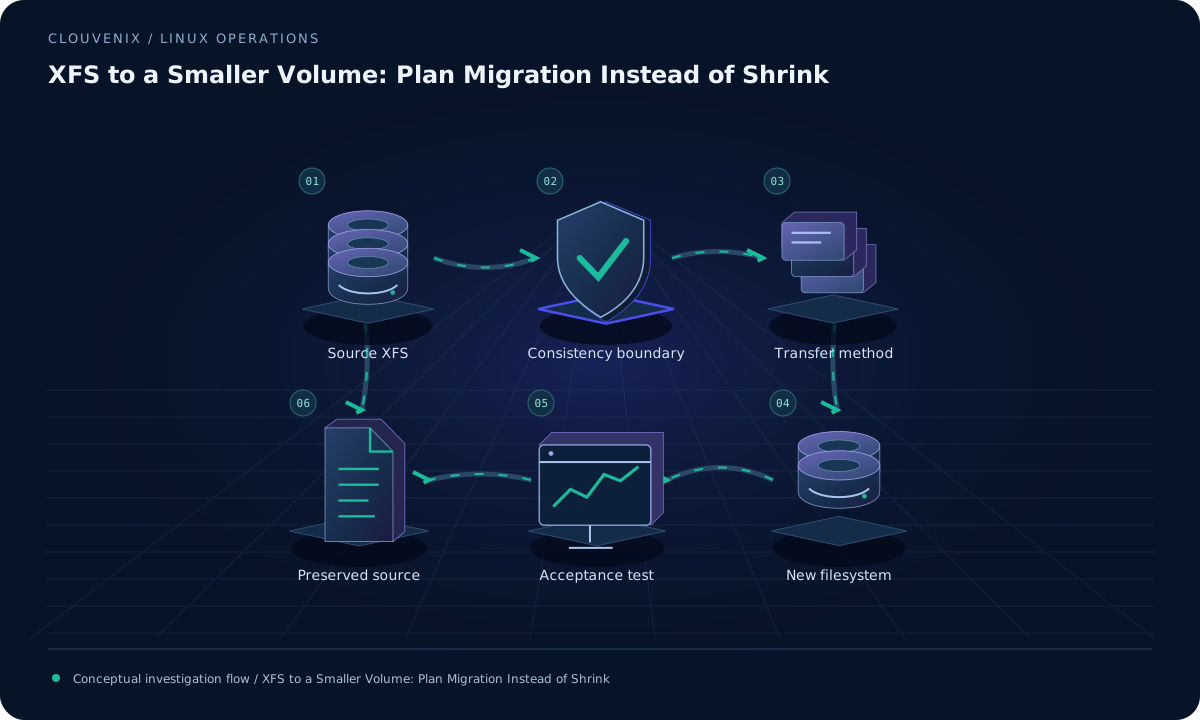 ENGINEERING JOURNAL ↗
XFS to a Smaller Volume: Plan Migration Instead of Shrink
Plan a supported move from XFS to a smaller destination by checking actual data, metadata preservation, application consistency and cutover recovery.
Read field note ↗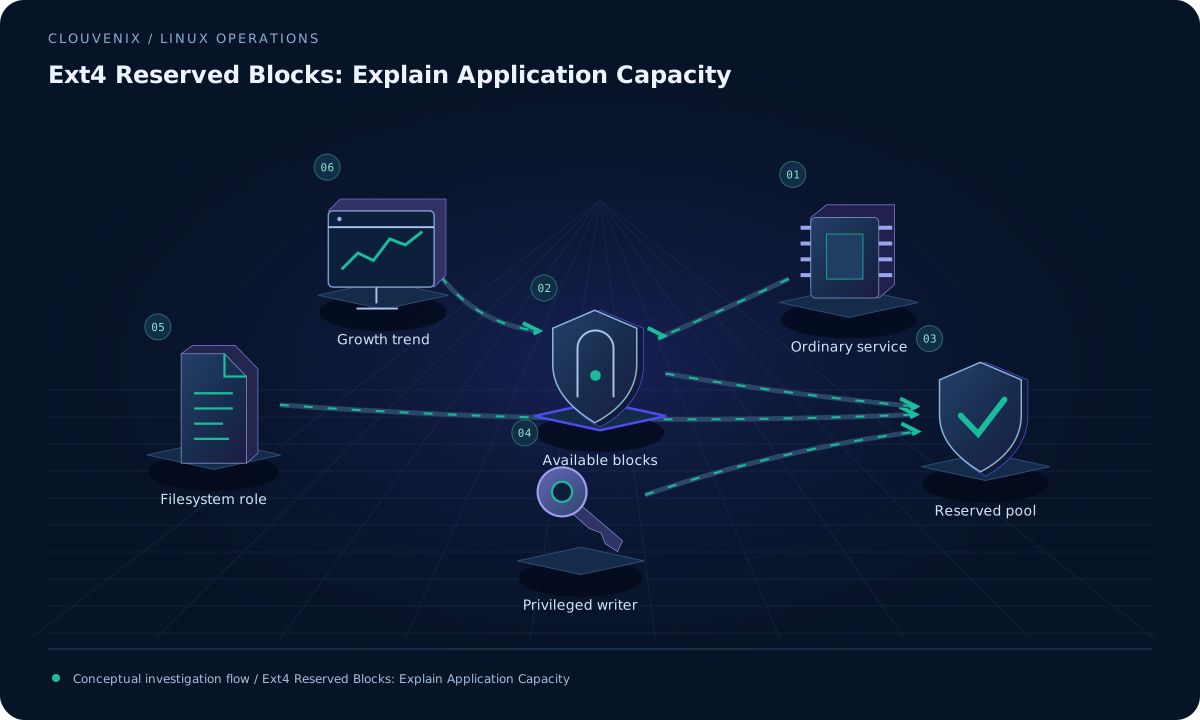 ENGINEERING JOURNAL ↗
Ext4 Reserved Blocks: Explain Application Capacity
Check how ext4 reserved blocks affect ordinary service writers, then review reserve policy alongside actual growth and filesystem role before adjusting capacity.
Read field note ↗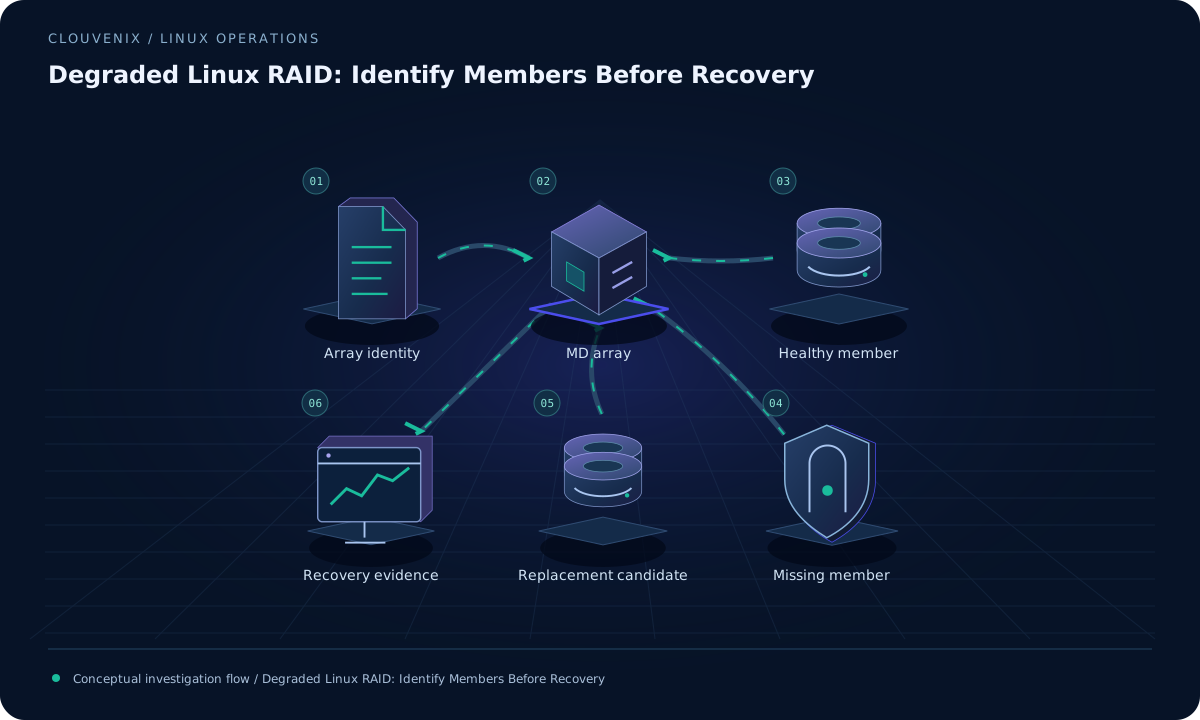 ENGINEERING JOURNAL ↗
Degraded Linux RAID: Identify Members Before Recovery
Read mdraid health, member identity and recovery state before replacing a device, and verify redundancy independently from filesystem and application success.
Read field note ↗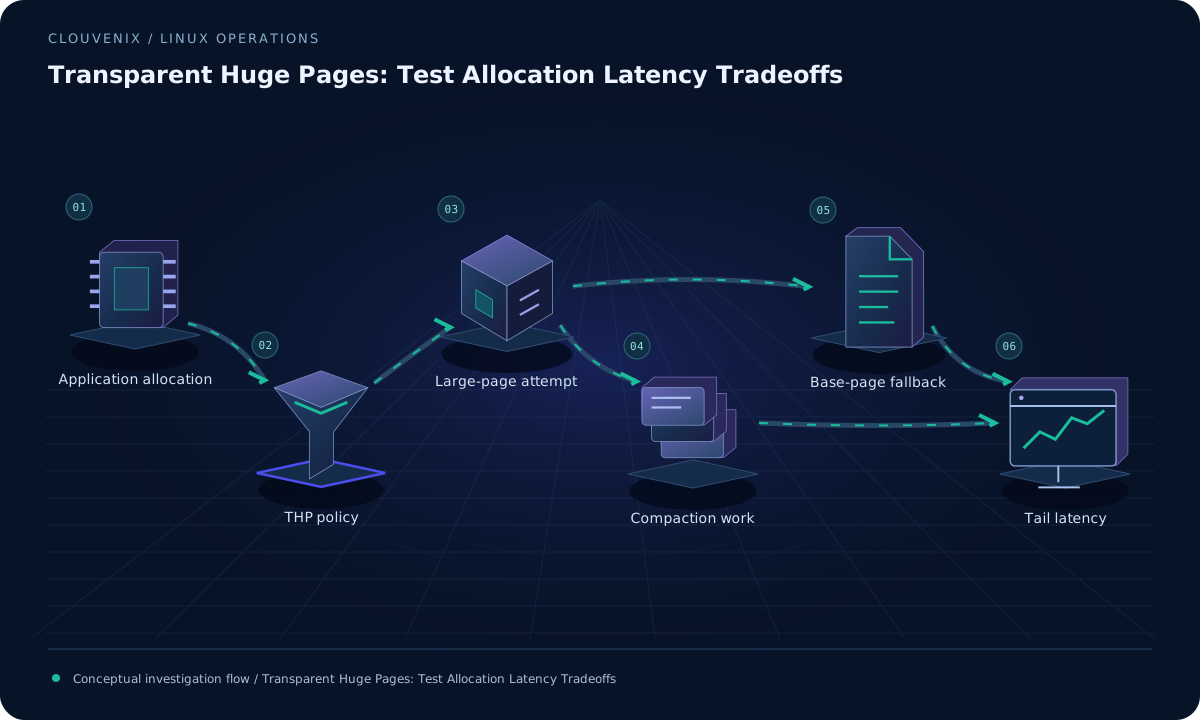 ENGINEERING JOURNAL ↗
Transparent Huge Pages: Test Allocation Latency Tradeoffs
Review Transparent Huge Page policy, application guidance and compaction evidence before changing Linux memory settings for a latency-sensitive workload.
Read field note ↗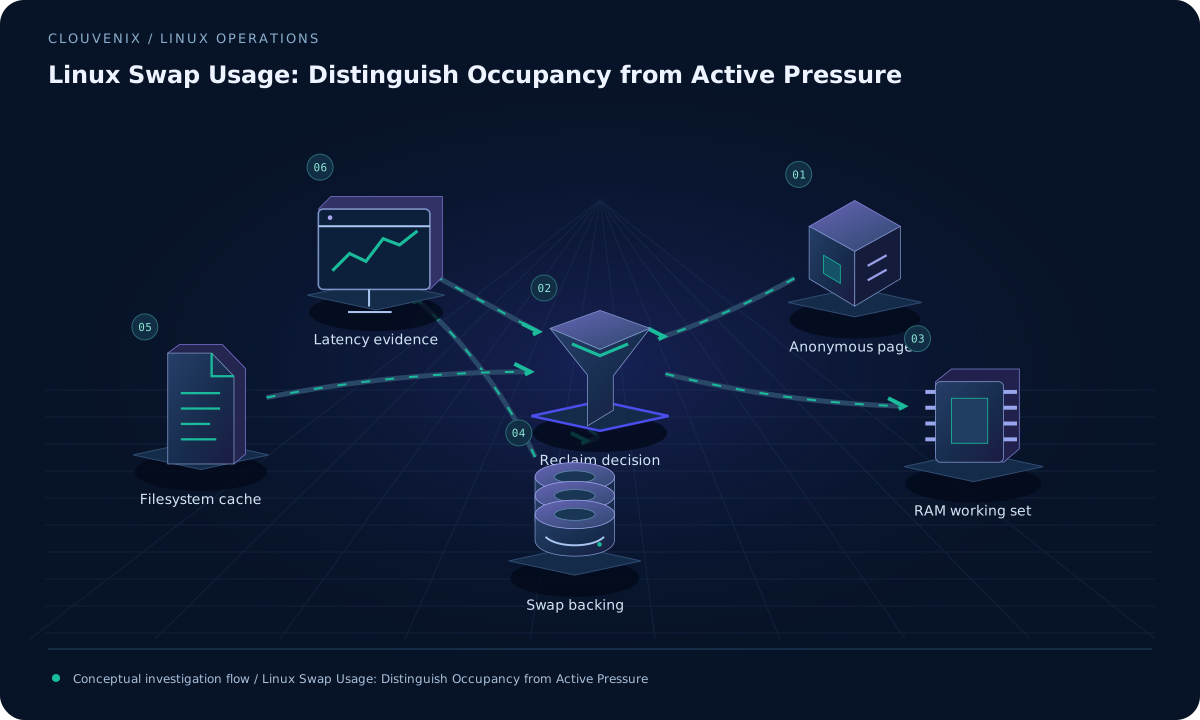 ENGINEERING JOURNAL ↗
Linux Swap Usage: Distinguish Occupancy from Active Pressure
Investigate swap with interval-based activity, memory availability and application latency so occupied swap space does not become an unsupported tuning decision.
Read field note ↗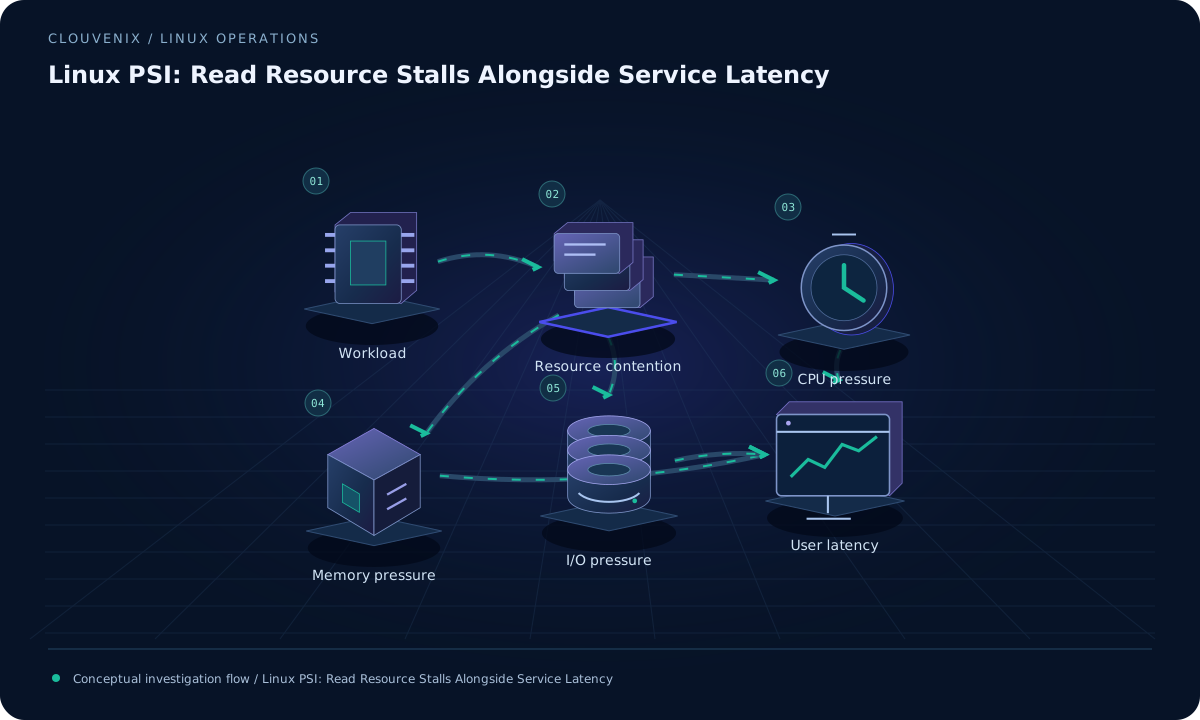 ENGINEERING JOURNAL ↗
Linux PSI: Read Resource Stalls Alongside Service Latency
Use Pressure Stall Information to distinguish resource contention from simple utilization, then correlate CPU, memory and I/O stalls with an affected workload.
Read field note ↗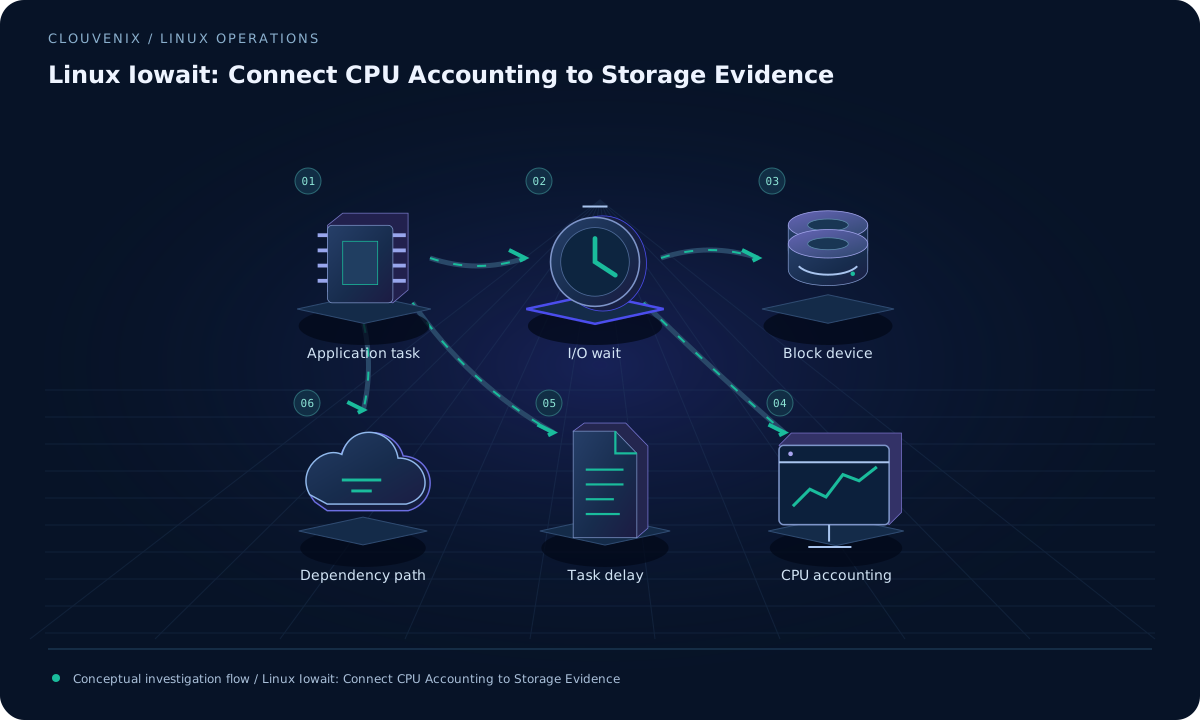 ENGINEERING JOURNAL ↗
Linux Iowait: Connect CPU Accounting to Storage Evidence
Interpret iowait without treating it as disk utilization, then compare device latency, workload timing and task delays to find a useful investigation boundary.
Read field note ↗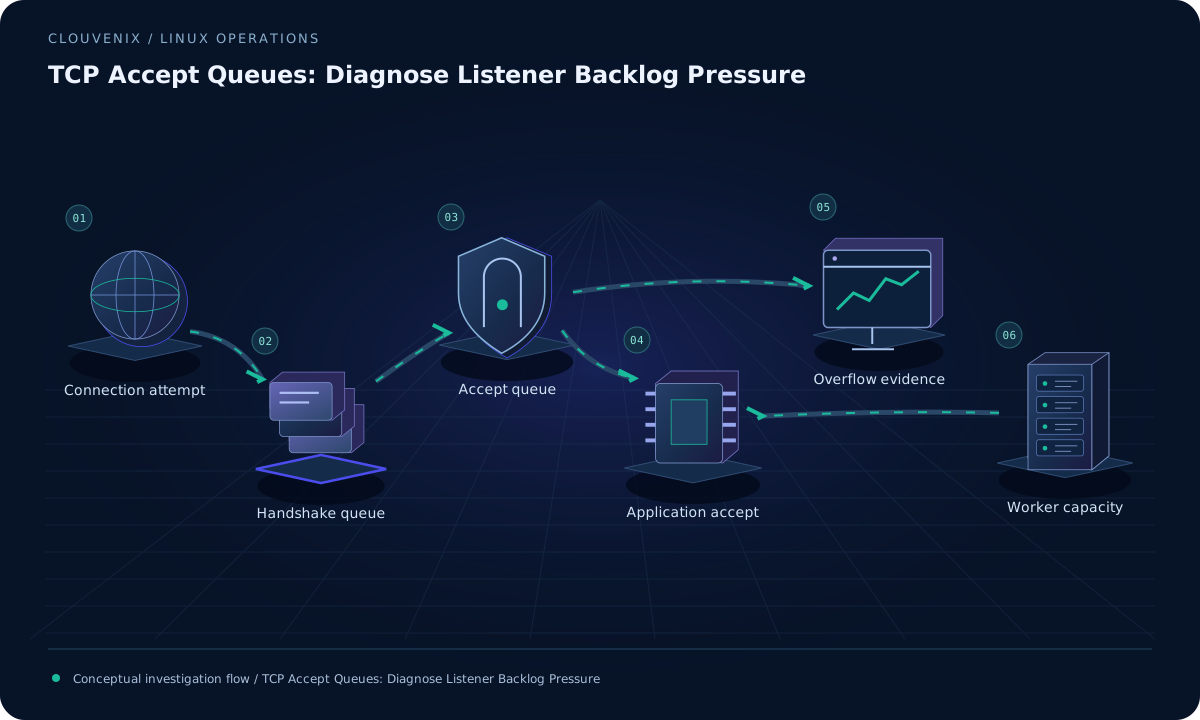 ENGINEERING JOURNAL ↗
TCP Accept Queues: Diagnose Listener Backlog Pressure
Investigate new TCP connections that stall by comparing listener queues, application accept behavior and kernel overflow counters before changing backlog settings.
Read field note ↗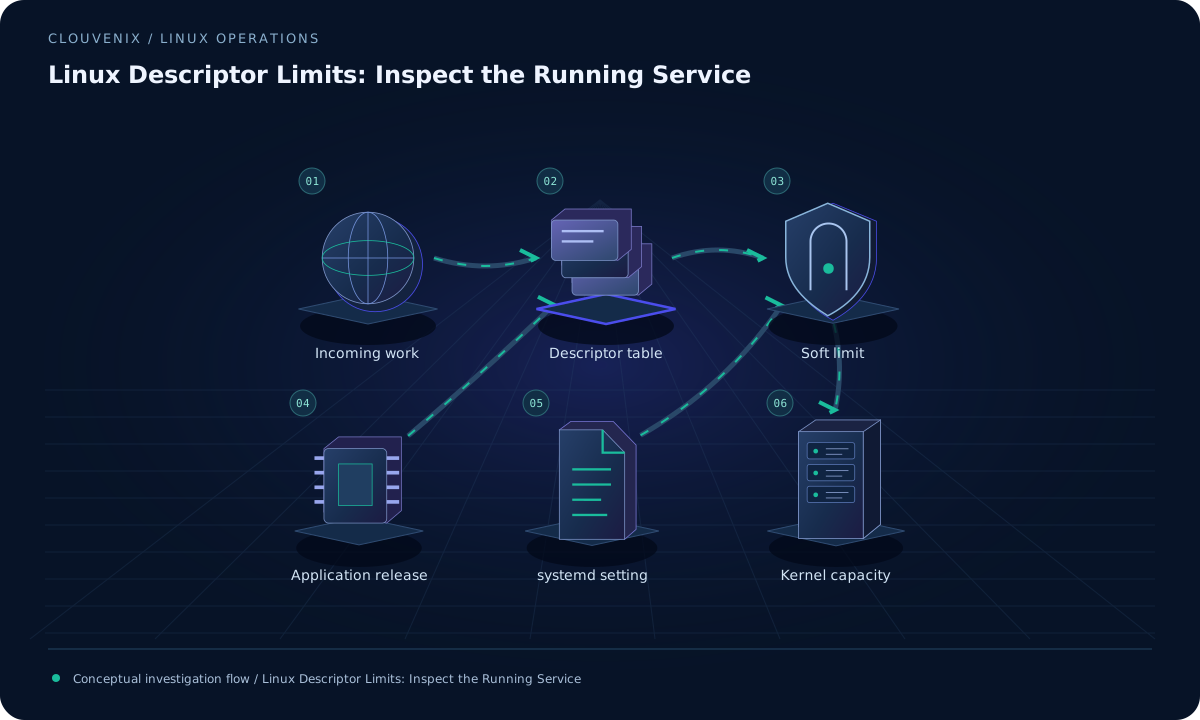 ENGINEERING JOURNAL ↗
Linux Descriptor Limits: Inspect the Running Service
Find why a service reports too many open files by comparing live descriptor use, process limits and the application lifecycle before raising a systemd limit.
Read field note ↗