
Ideas for
your next move.
Practical thinking for teams building software, securing systems and operating modern infrastructure. Explore our engineering field notes.
500 insights · Page 15 of 42
 ENGINEERING JOURNAL ↗
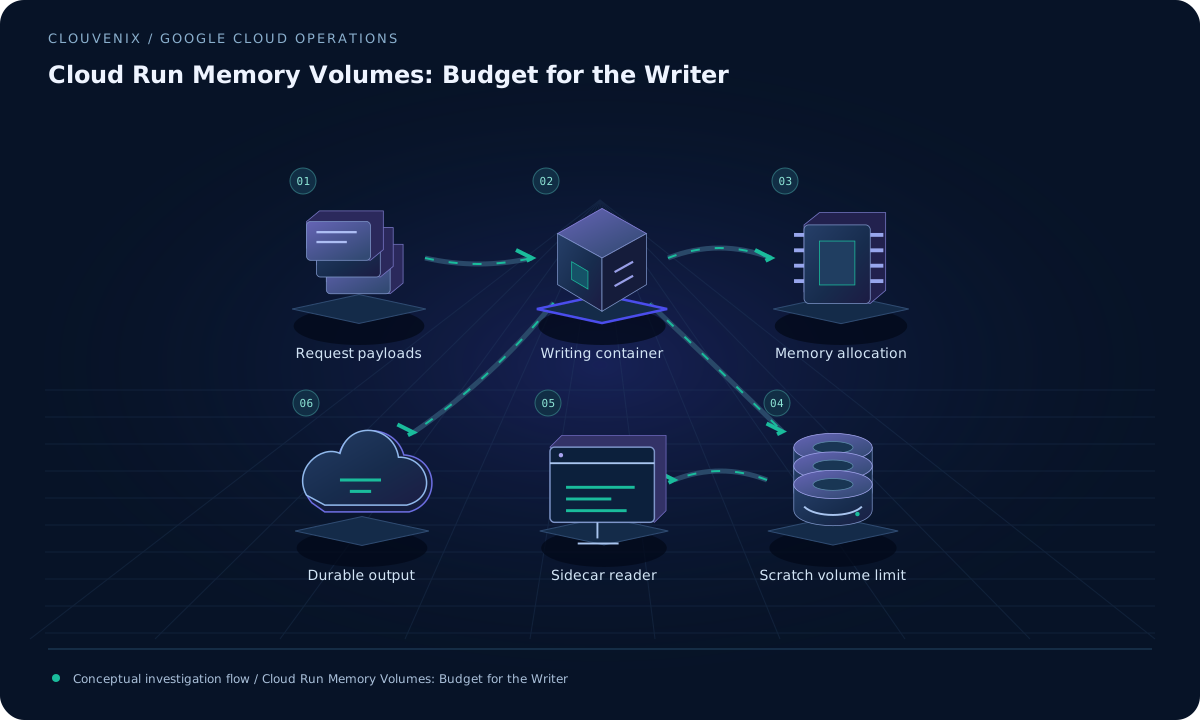
Cloud Run Memory Volumes: Budget for the Writer
Size Cloud Run in-memory volumes alongside container memory, concurrent temporary files, and sidecar writes so scratch work fails predictably.
Read field note ↗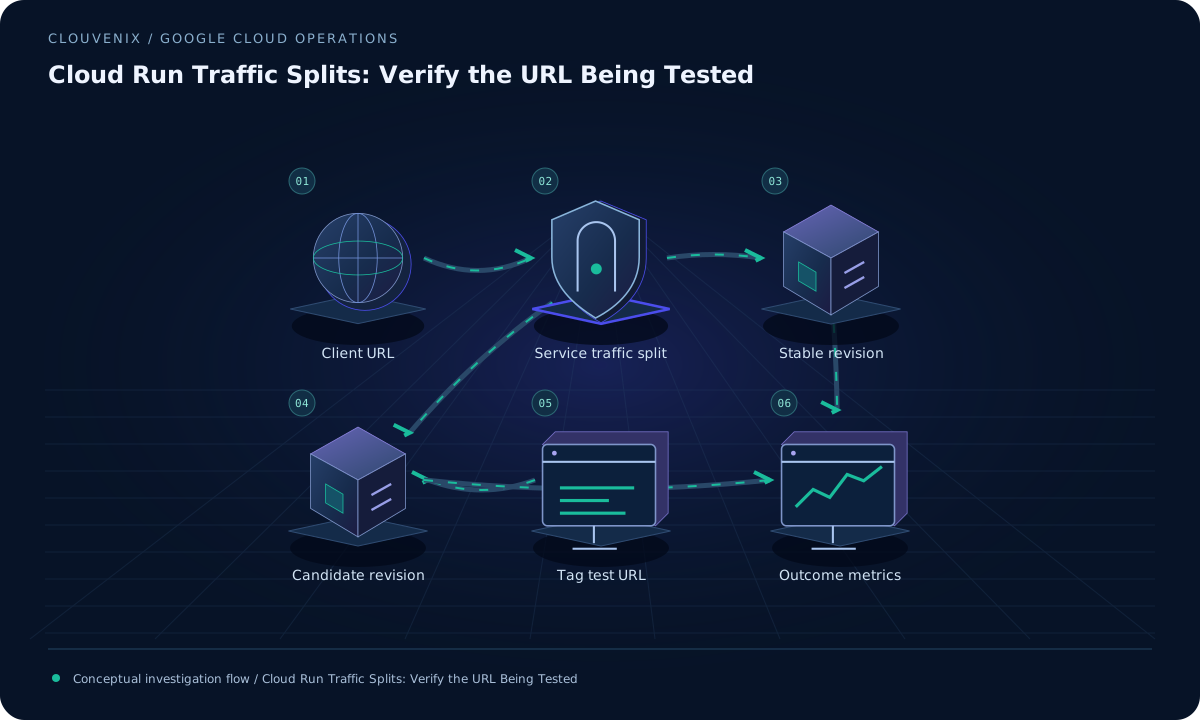 ENGINEERING JOURNAL ↗
Cloud Run Traffic Splits: Verify the URL Being Tested
Validate Cloud Run rollouts by separating tagged revision tests from service traffic, checking explicit revision allocation, and preparing a usable rollback.
Read field note ↗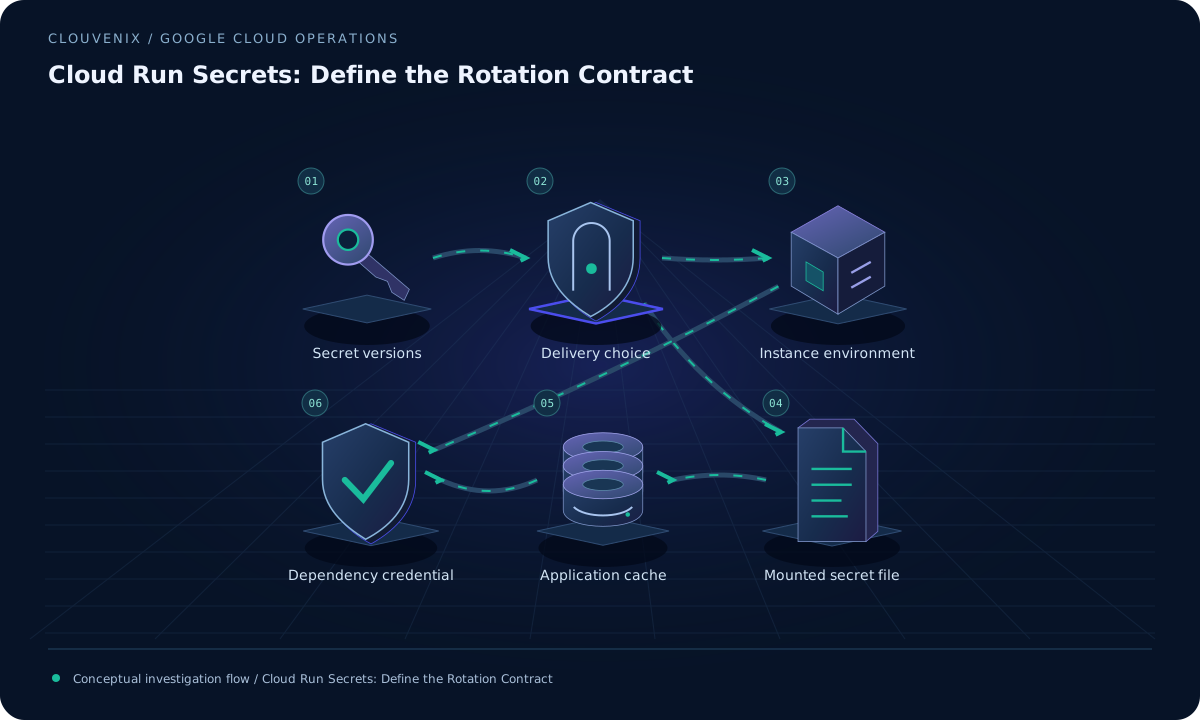 ENGINEERING JOURNAL ↗
Cloud Run Secrets: Define the Rotation Contract
Choose a Cloud Run secret delivery method deliberately, then test how pinned environment values, mounted versions, and application caching behave during rotation.
Read field note ↗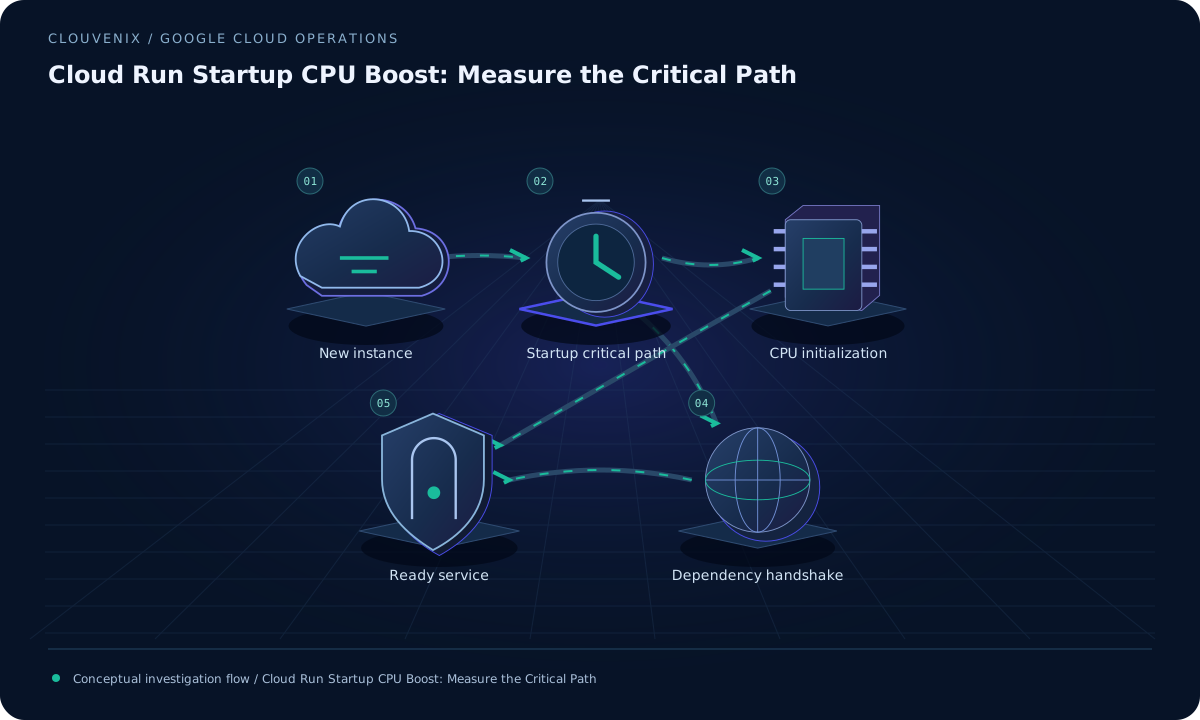 ENGINEERING JOURNAL ↗
Cloud Run Startup CPU Boost: Measure the Critical Path
Test whether startup CPU boost improves Cloud Run initialization by separating CPU work, dependency waiting, sidecars, and the cost of a cold instance.
Read field note ↗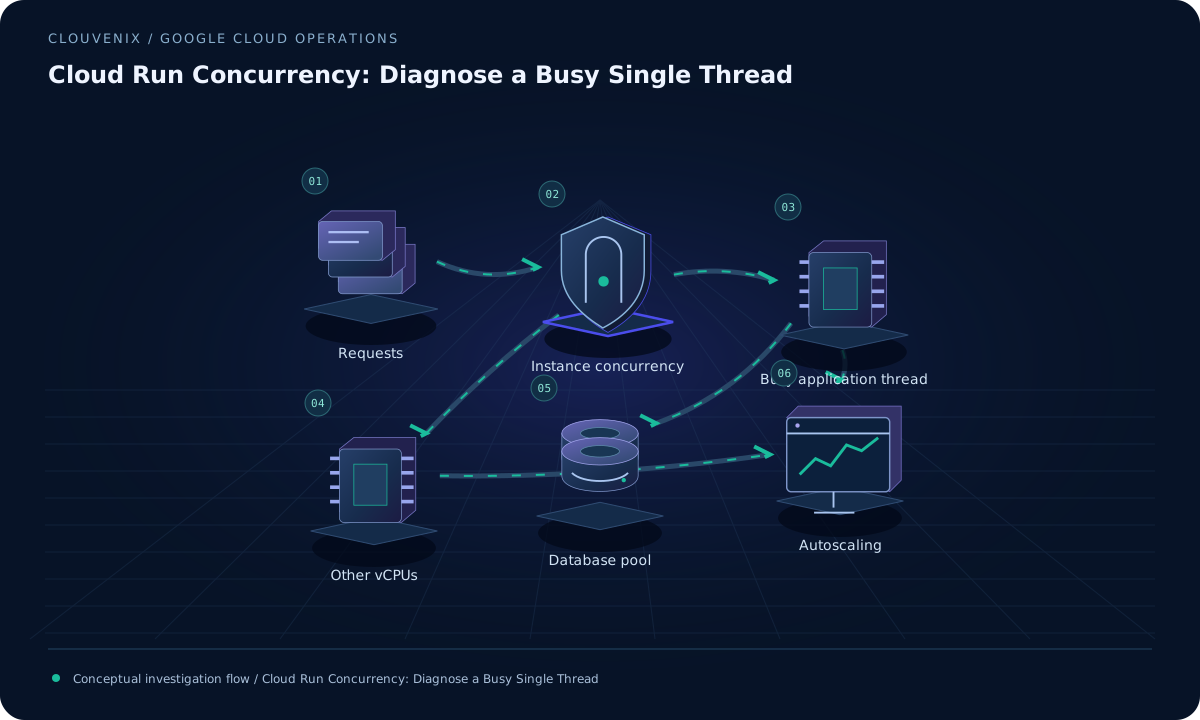 ENGINEERING JOURNAL ↗
Cloud Run Concurrency: Diagnose a Busy Single Thread
Tune Cloud Run concurrency with application evidence, including single-threaded CPU hotspots, in-flight memory, and downstream connection limits.
Read field note ↗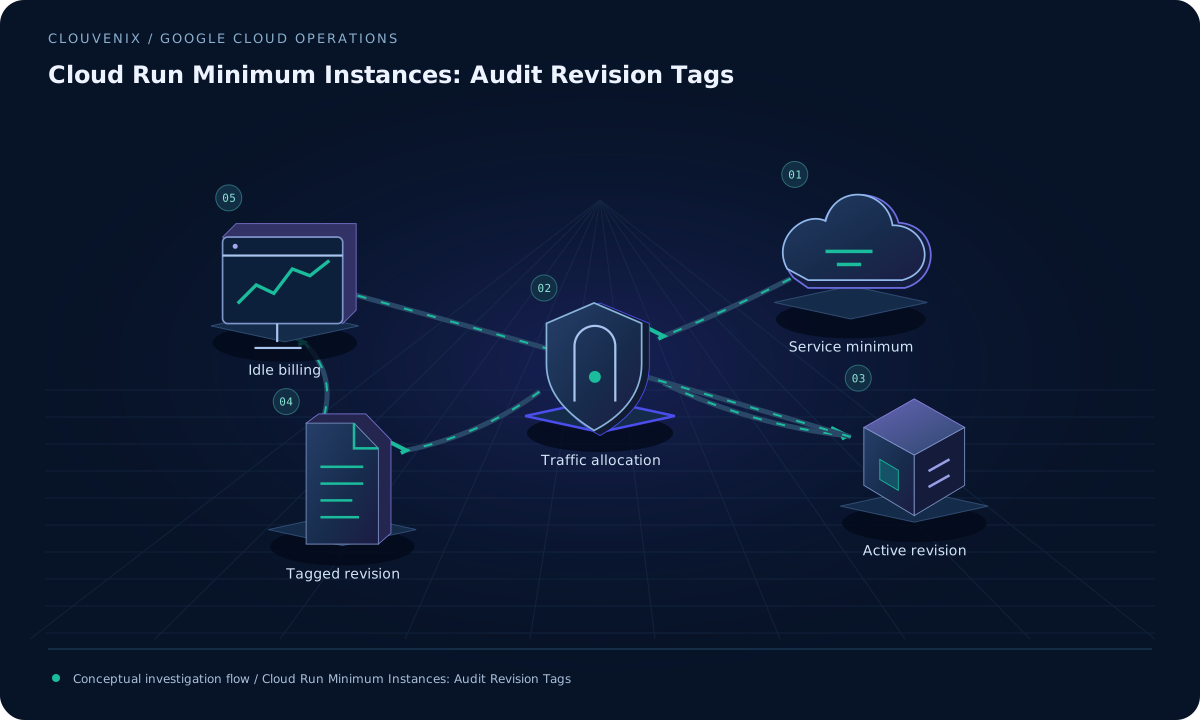 ENGINEERING JOURNAL ↗
Cloud Run Minimum Instances: Audit Revision Tags
Configure a warm Cloud Run baseline, distinguish service and revision settings, and find tagged revisions that keep unexpected instances active.
Read field note ↗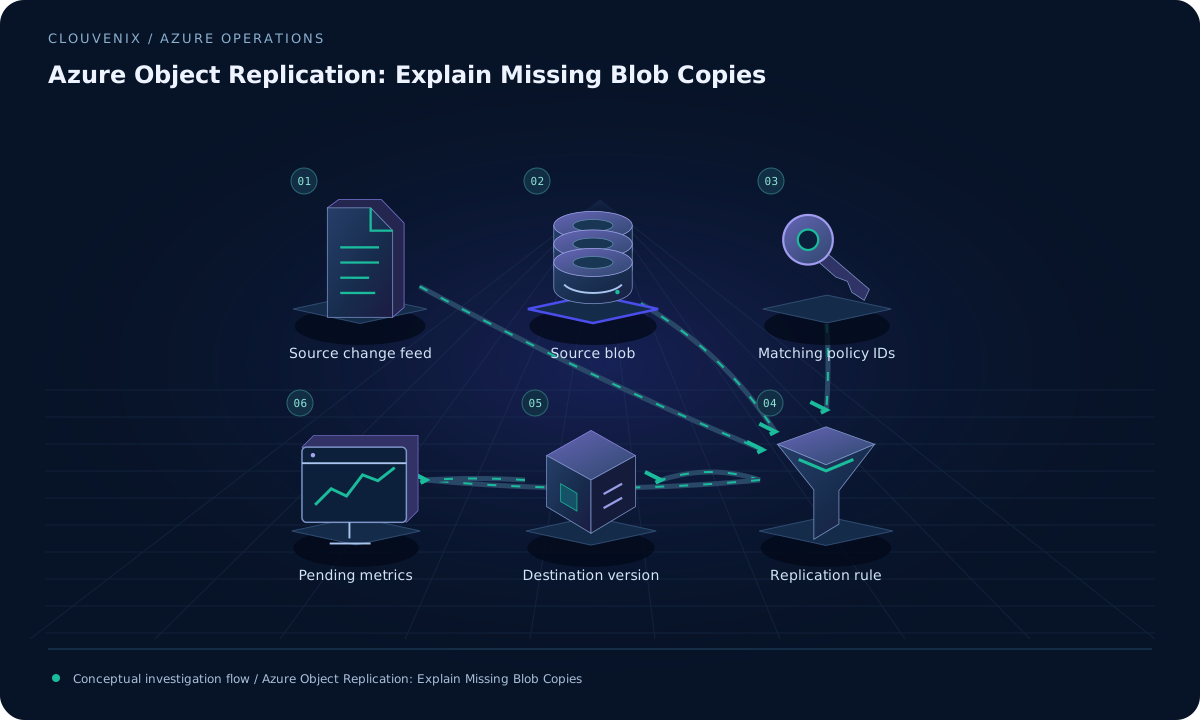 ENGINEERING JOURNAL ↗
Azure Object Replication: Explain Missing Blob Copies
Diagnose Azure Blob object replication by checking matching policy IDs, versioning and change feed prerequisites, rule selection and source-side completion evidence.
Read field note ↗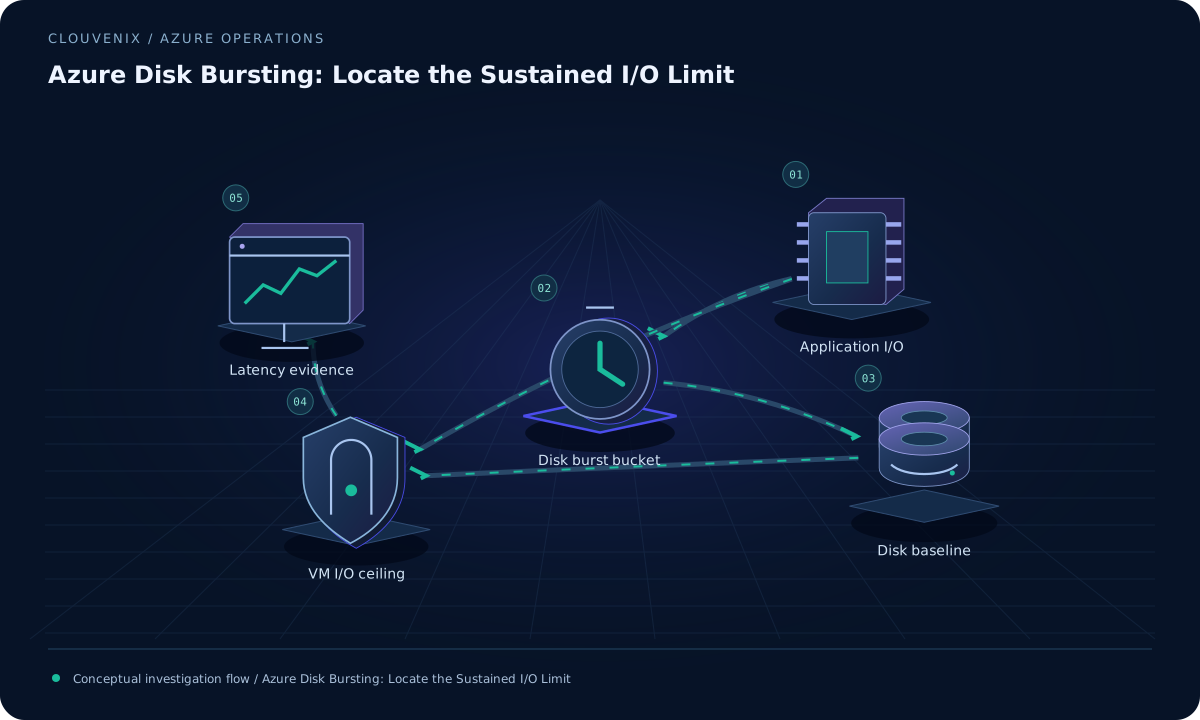 ENGINEERING JOURNAL ↗
Azure Disk Bursting: Locate the Sustained I/O Limit
Diagnose Azure VM storage that slows after an initial burst by comparing disk credit behavior, sustained provisioned performance and the separate VM I/O ceilings.
Read field note ↗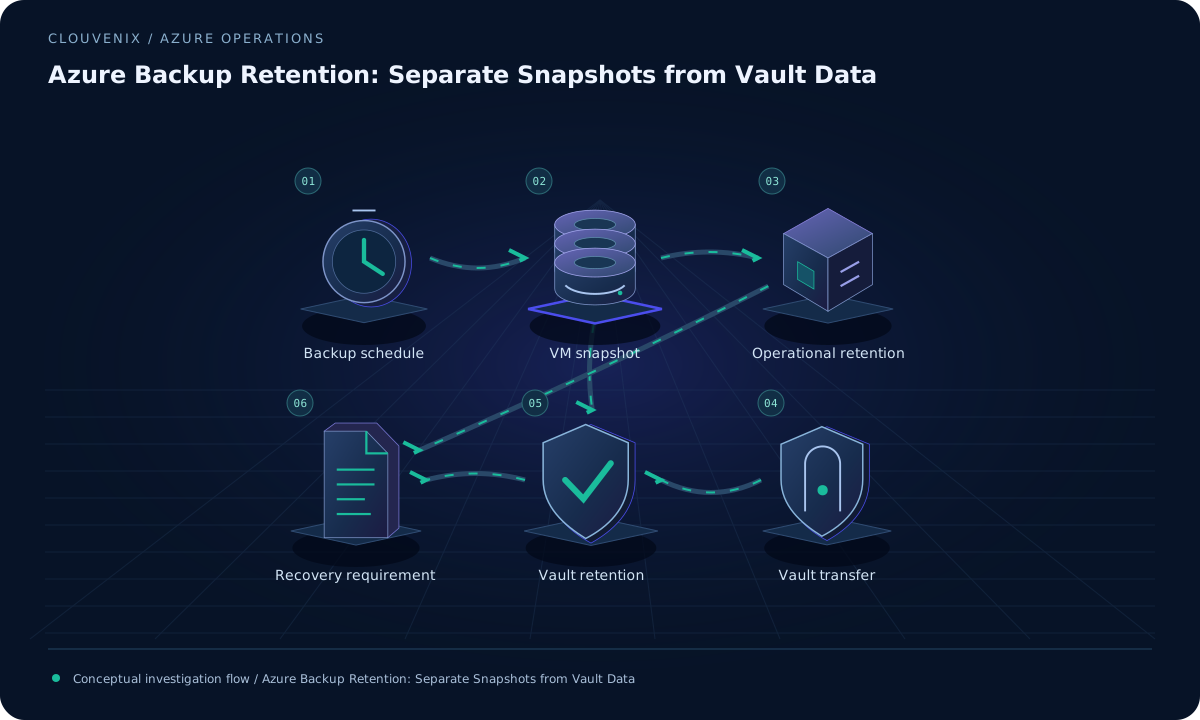 ENGINEERING JOURNAL ↗
Azure Backup Retention: Separate Snapshots from Vault Data
Explain Azure VM backup recovery points by separating Instant Restore snapshots from vault retention, then check policy schedules, consistency and recovery expectations.
Read field note ↗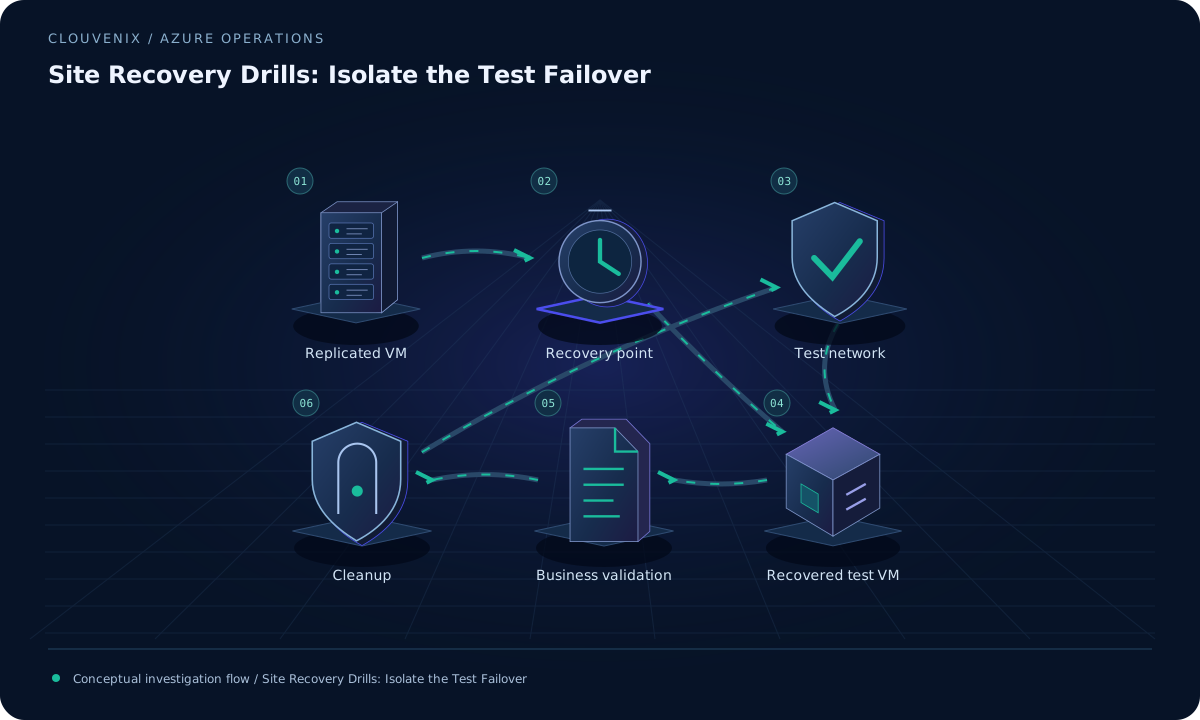 ENGINEERING JOURNAL ↗
Site Recovery Drills: Isolate the Test Failover
Prepare an Azure Site Recovery drill with isolated networking, deliberate recovery-point selection, disabled external side effects and a recorded cleanup acceptance check.
Read field note ↗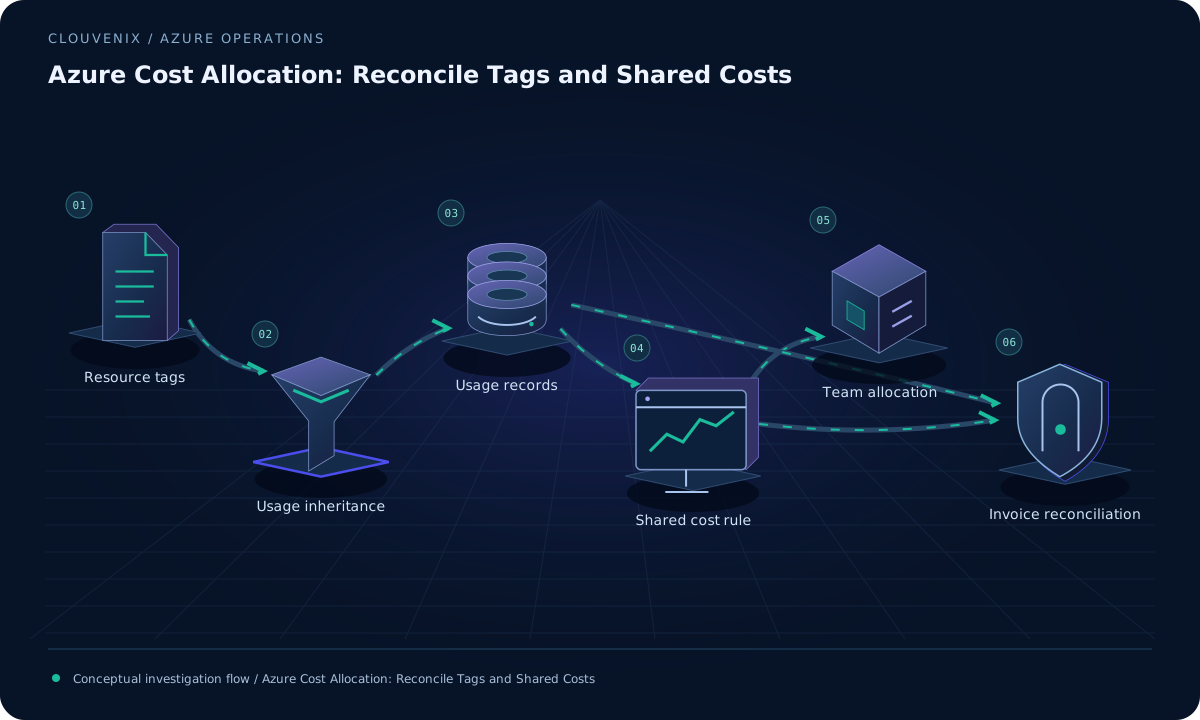 ENGINEERING JOURNAL ↗
Azure Cost Allocation: Reconcile Tags and Shared Costs
Explain Azure cost reports with missing tags or shared-service allocations by checking usage-record inheritance, billing scope and allocation rules separately from resource tags.
Read field note ↗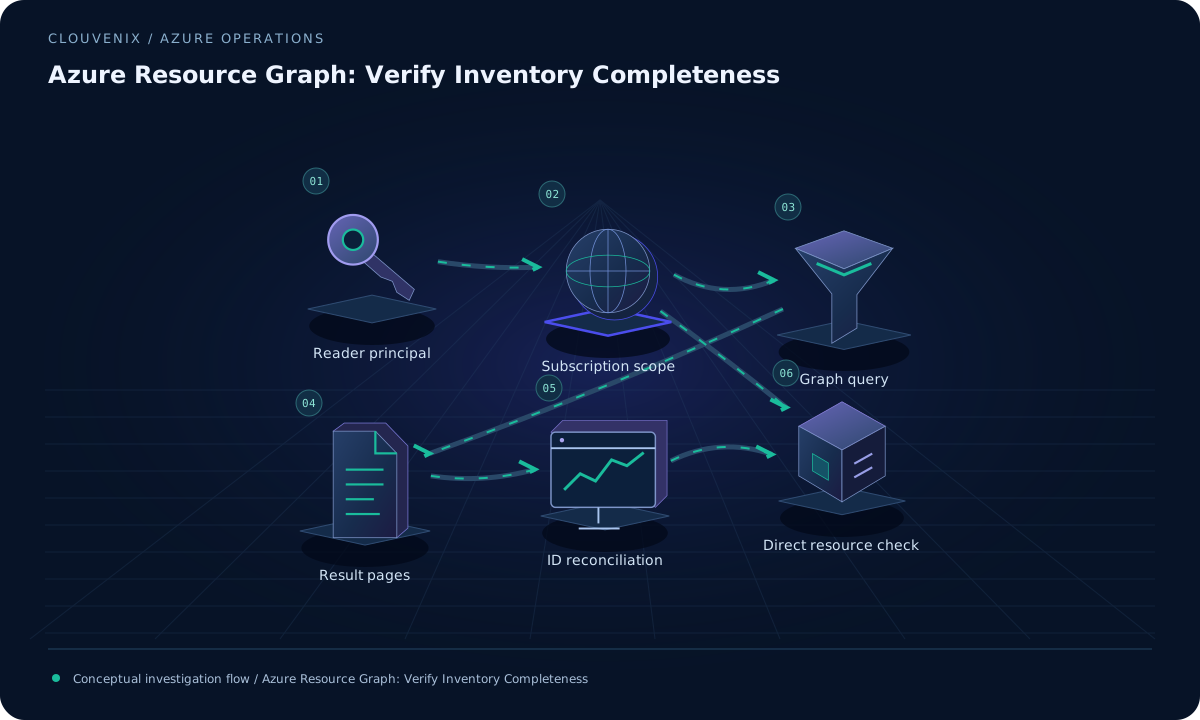 ENGINEERING JOURNAL ↗
Azure Resource Graph: Verify Inventory Completeness
Build a defensible Azure Resource Graph inventory by checking principal scope, pagination, stable identifiers and eventual consistency before comparing resource counts.
Read field note ↗