
Ideas for
your next move.
Practical thinking for teams building software, securing systems and operating modern infrastructure. Explore our engineering field notes.
500 insights · Page 25 of 42
 ENGINEERING JOURNAL ↗
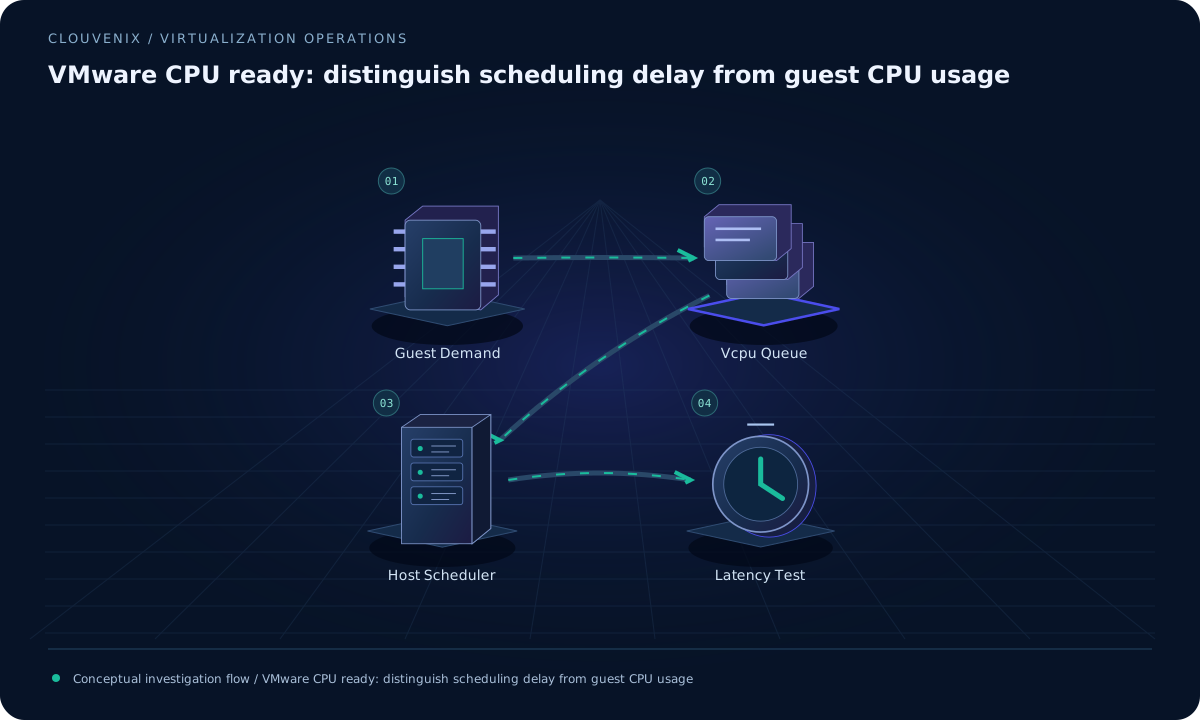
VMware CPU ready: distinguish scheduling delay from guest CPU usage
Investigate VMware CPU-ready evidence at the correct sampling interval and vCPU scope before adding processors or moving workloads.
Read field note ↗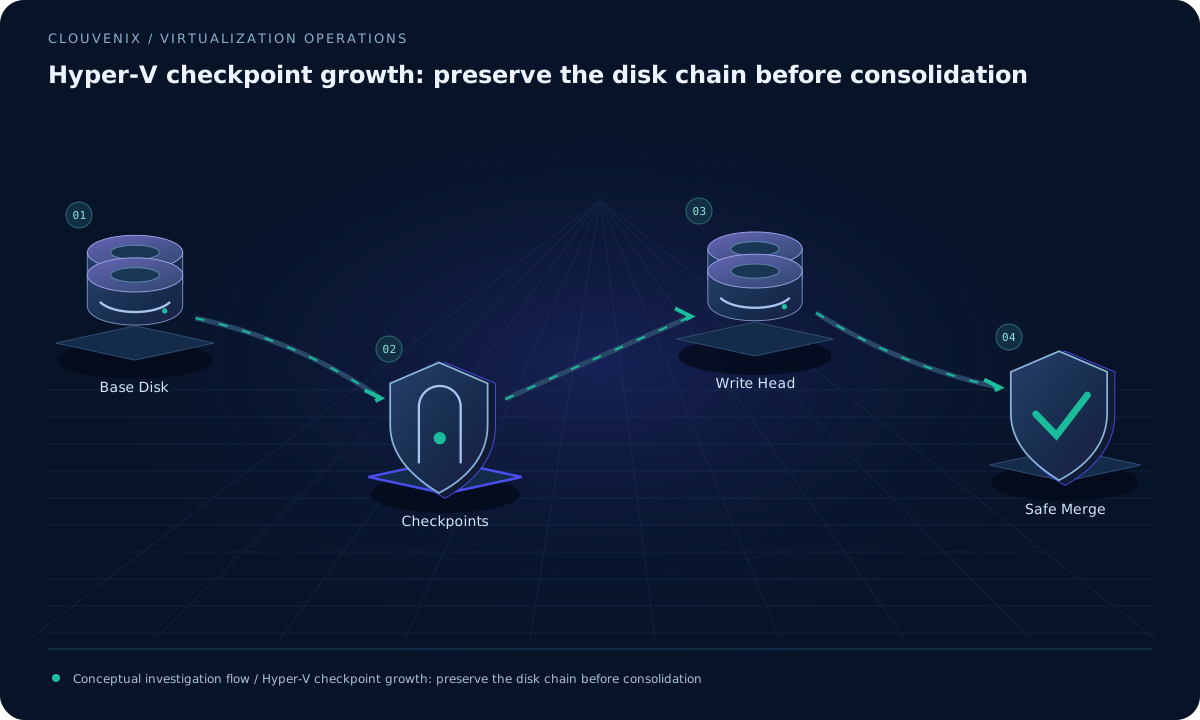 ENGINEERING JOURNAL ↗
Hyper-V checkpoint growth: preserve the disk chain before consolidation
Investigate Hyper-V AVHDX growth using checkpoint, parent-disk and storage evidence, then plan supported consolidation without deleting active differencing disks.
Read field note ↗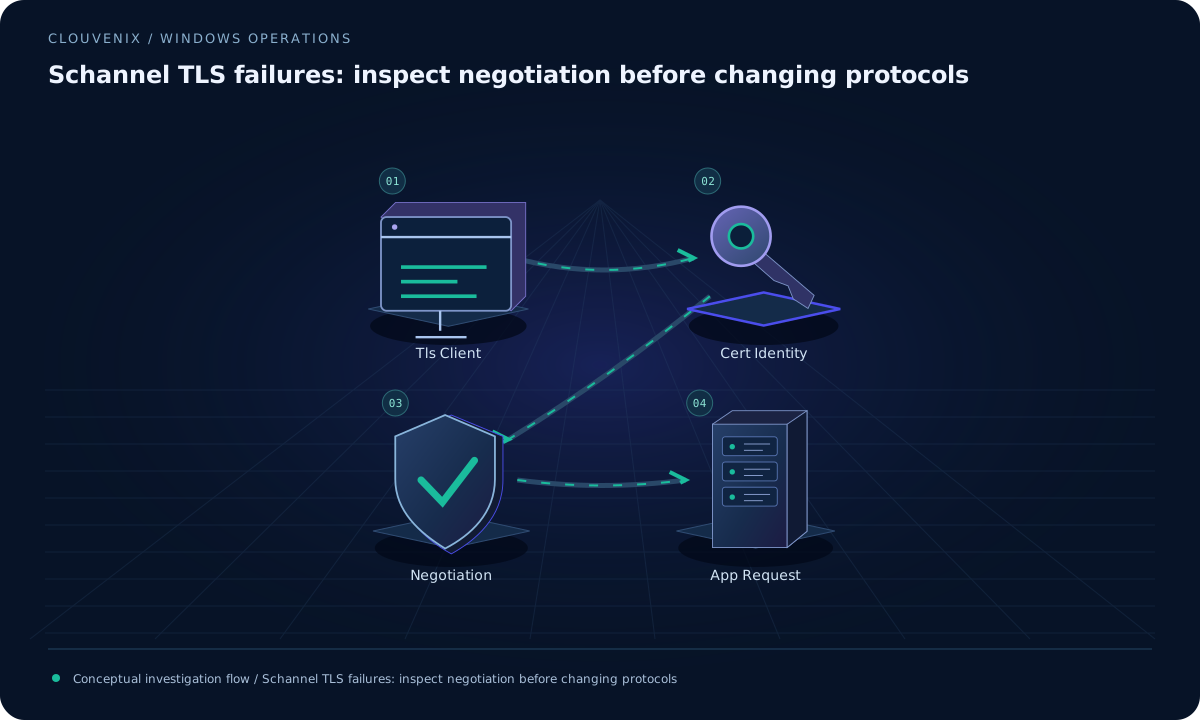 ENGINEERING JOURNAL ↗
Schannel TLS failures: inspect negotiation before changing protocols
Investigate Windows TLS handshake failures using endpoint identity, Schannel events and negotiated capabilities without enabling obsolete protocols as a shortcut.
Read field note ↗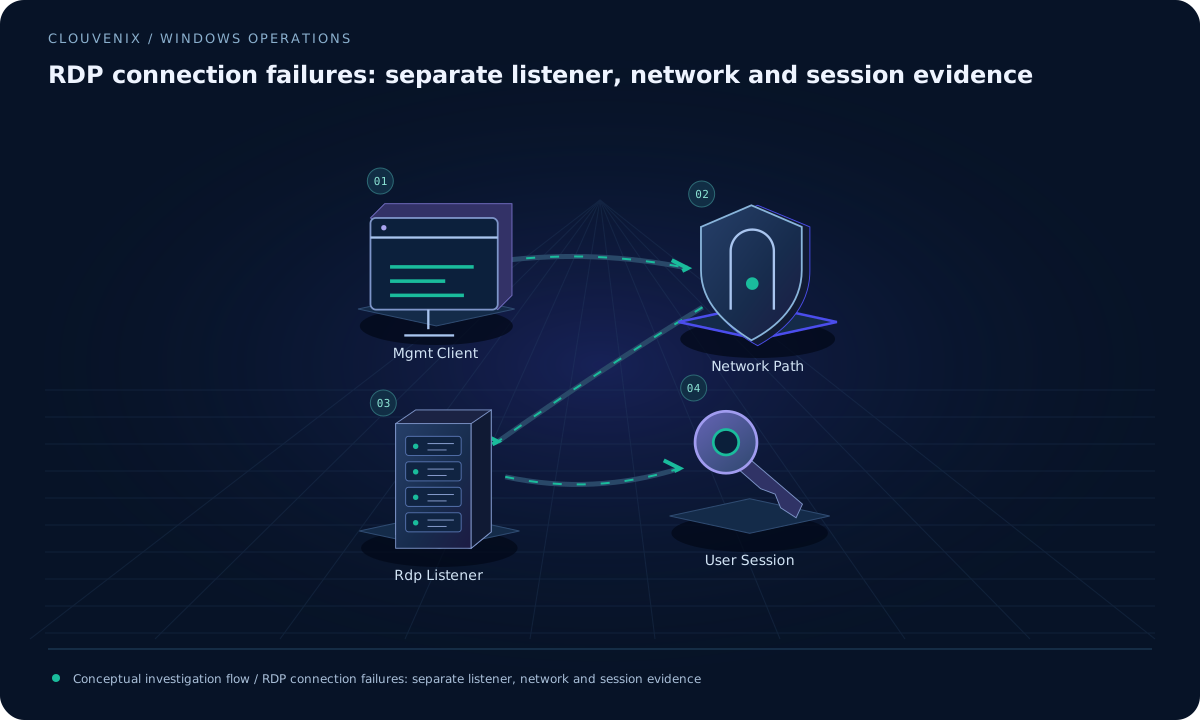 ENGINEERING JOURNAL ↗
RDP connection failures: separate listener, network and session evidence
Investigate Windows RDP failures from an approved management path, separating listener health, port reachability and session authorization before changing settings.
Read field note ↗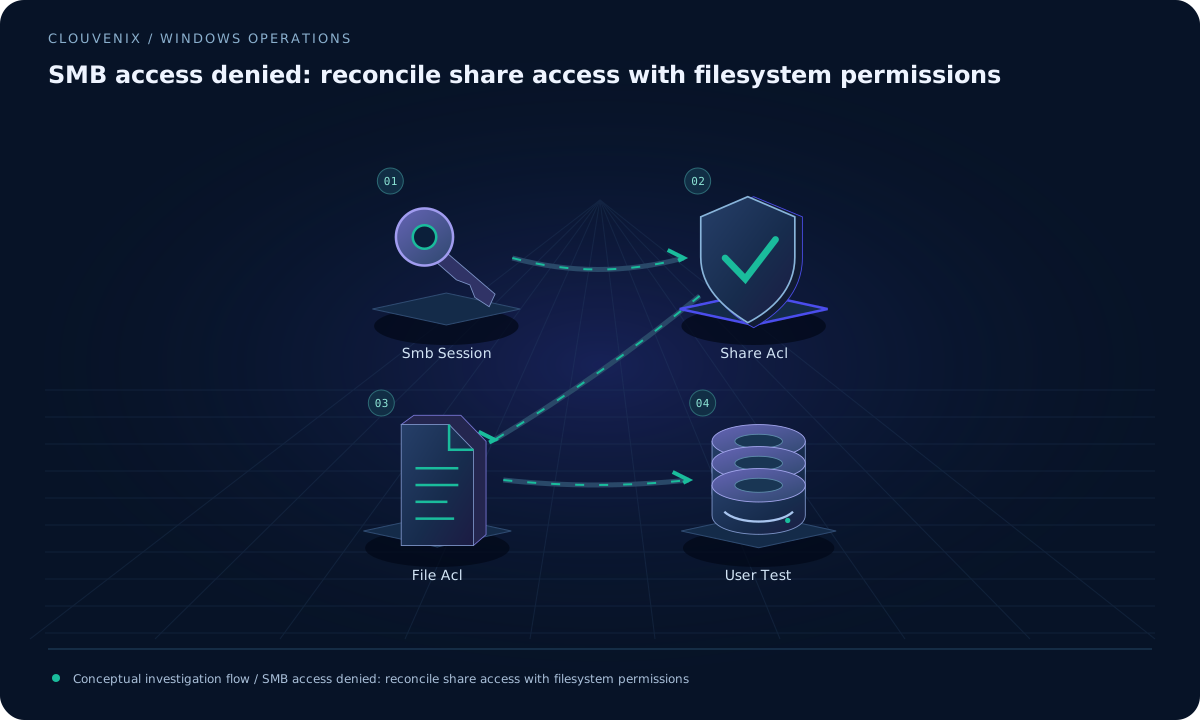 ENGINEERING JOURNAL ↗
SMB access denied: reconcile share access with filesystem permissions
Trace SMB access through the client identity, share permissions and filesystem ACLs, then validate an authorized file workflow without broad access grants.
Read field note ↗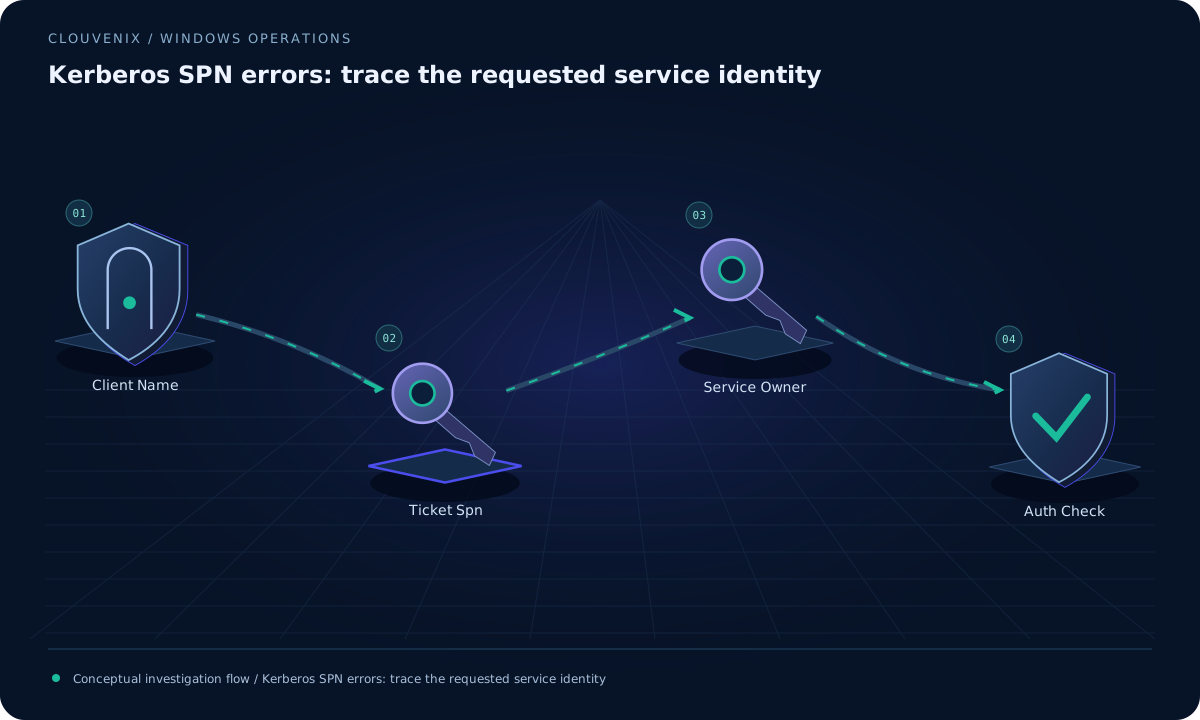 ENGINEERING JOURNAL ↗
Kerberos SPN errors: trace the requested service identity
Diagnose missing or duplicate Kerberos SPNs with ticket, account and DNS evidence, then verify a narrow correction without weakening authentication.
Read field note ↗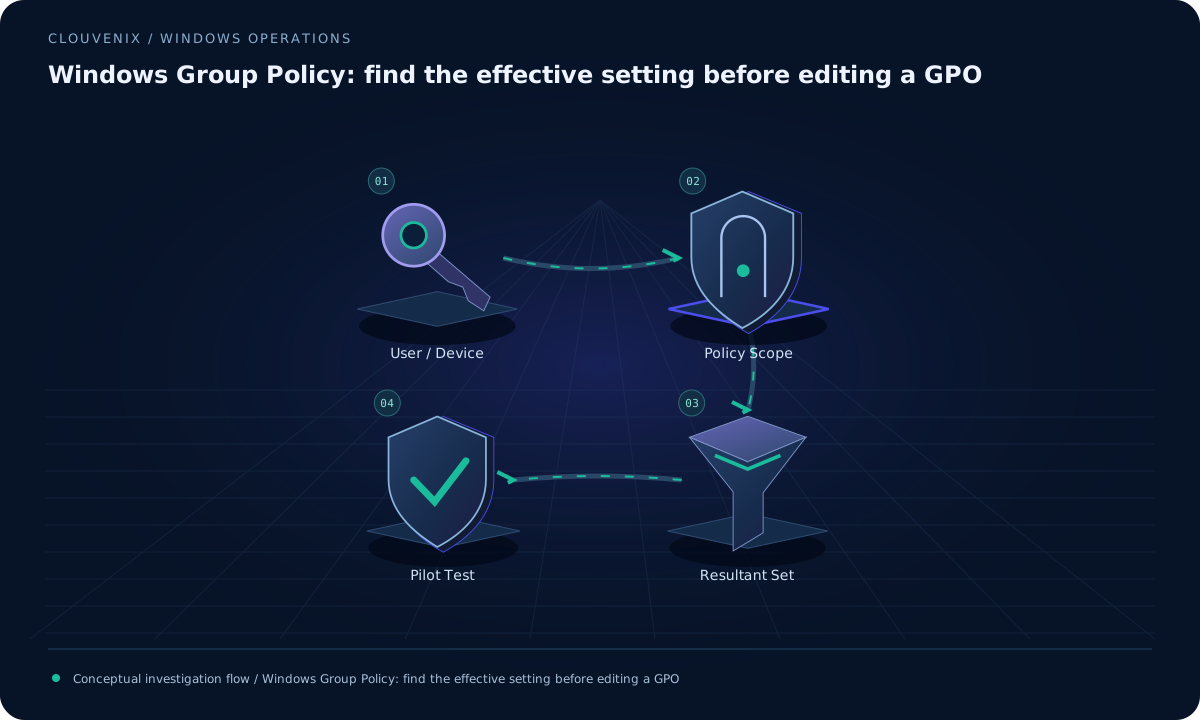 ENGINEERING JOURNAL ↗
Windows Group Policy: find the effective setting before editing a GPO
Use resultant-policy evidence, scope and processing context to explain why a Windows setting differs, then validate a narrow policy correction on a pilot group.
Read field note ↗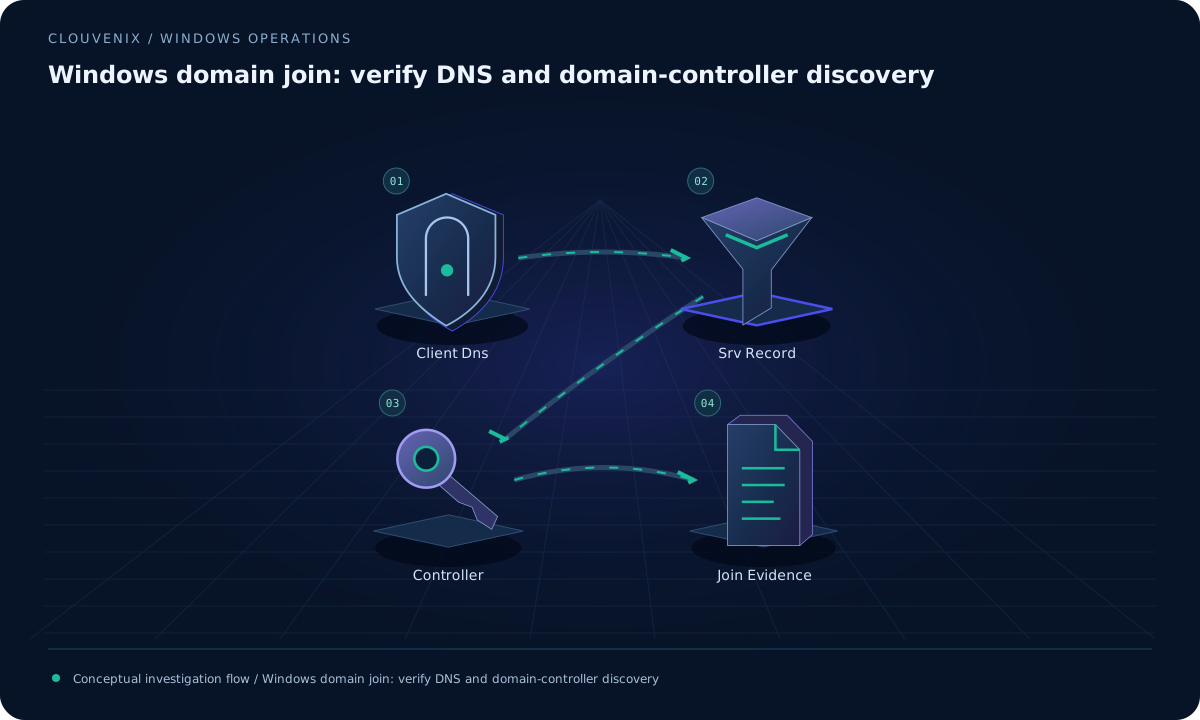 ENGINEERING JOURNAL ↗
Windows domain join: verify DNS and domain-controller discovery
Troubleshoot domain-join discovery with the client resolver, AD SRV records and the actual network path before changing account permissions or weakening protection.
Read field note ↗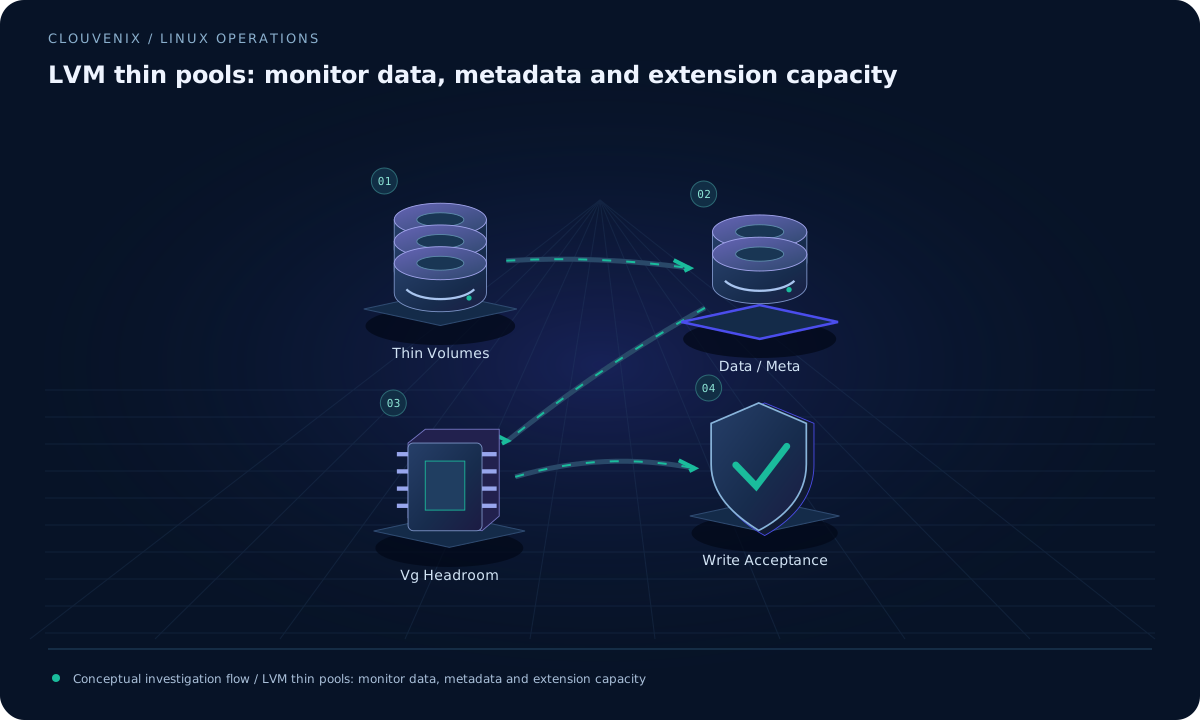 ENGINEERING JOURNAL ↗
LVM thin pools: monitor data, metadata and extension capacity
Understand why a thin volume can look spacious while its backing pool is constrained, then review data, metadata, monitoring and volume-group headroom together.
Read field note ↗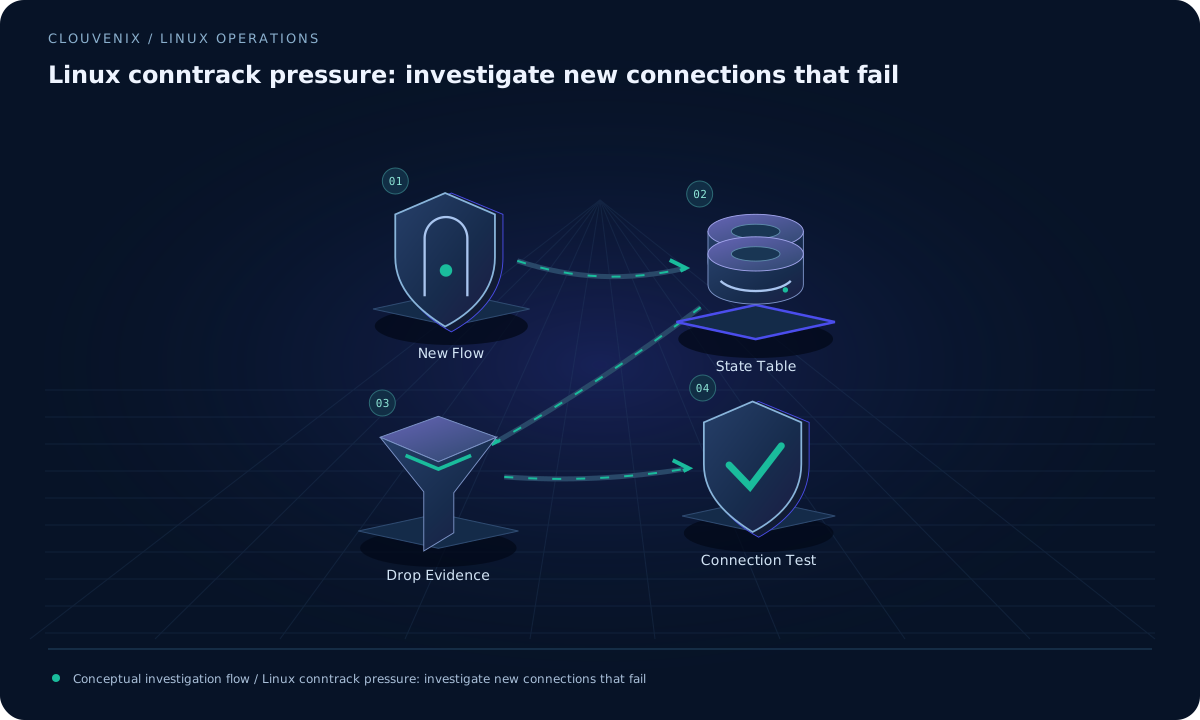 ENGINEERING JOURNAL ↗
Linux conntrack pressure: investigate new connections that fail
Trace new-connection failures through connection-tracking occupancy, drop counters and traffic shape, then validate a capacity correction without flushing live state.
Read field note ↗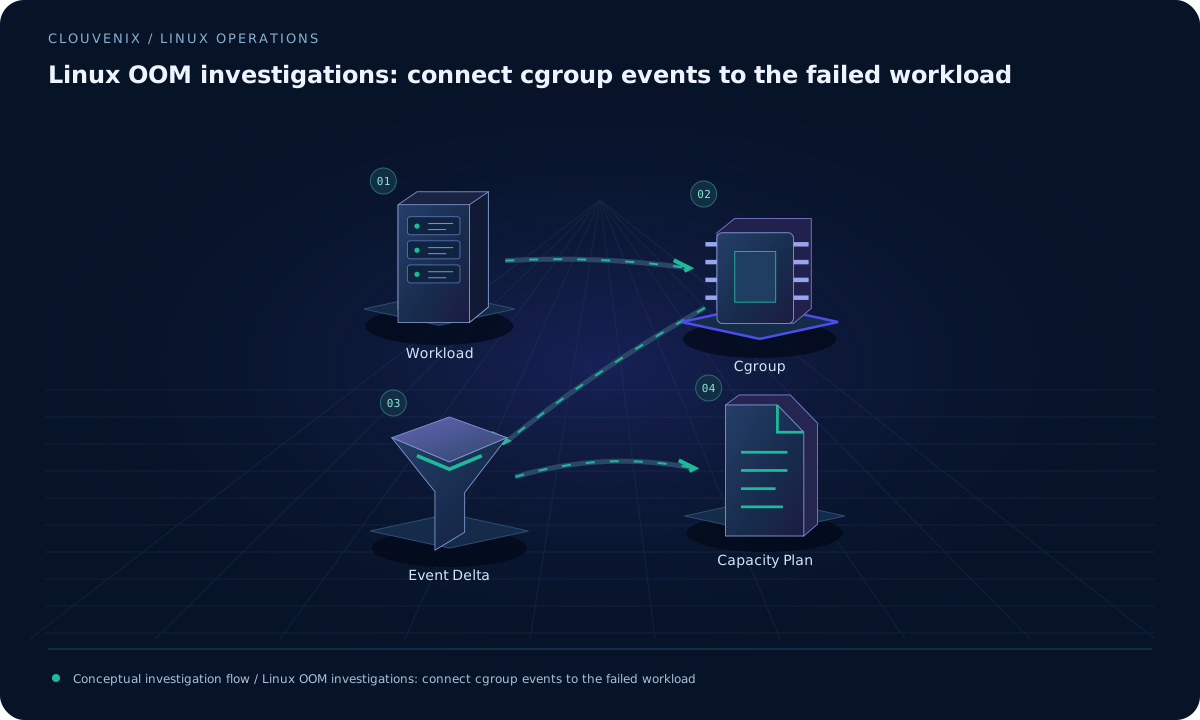 ENGINEERING JOURNAL ↗
Linux OOM investigations: connect cgroup events to the failed workload
Separate host memory pressure, cgroup limits and application allocation failures, then use memory-event evidence to size and verify a targeted recovery.
Read field note ↗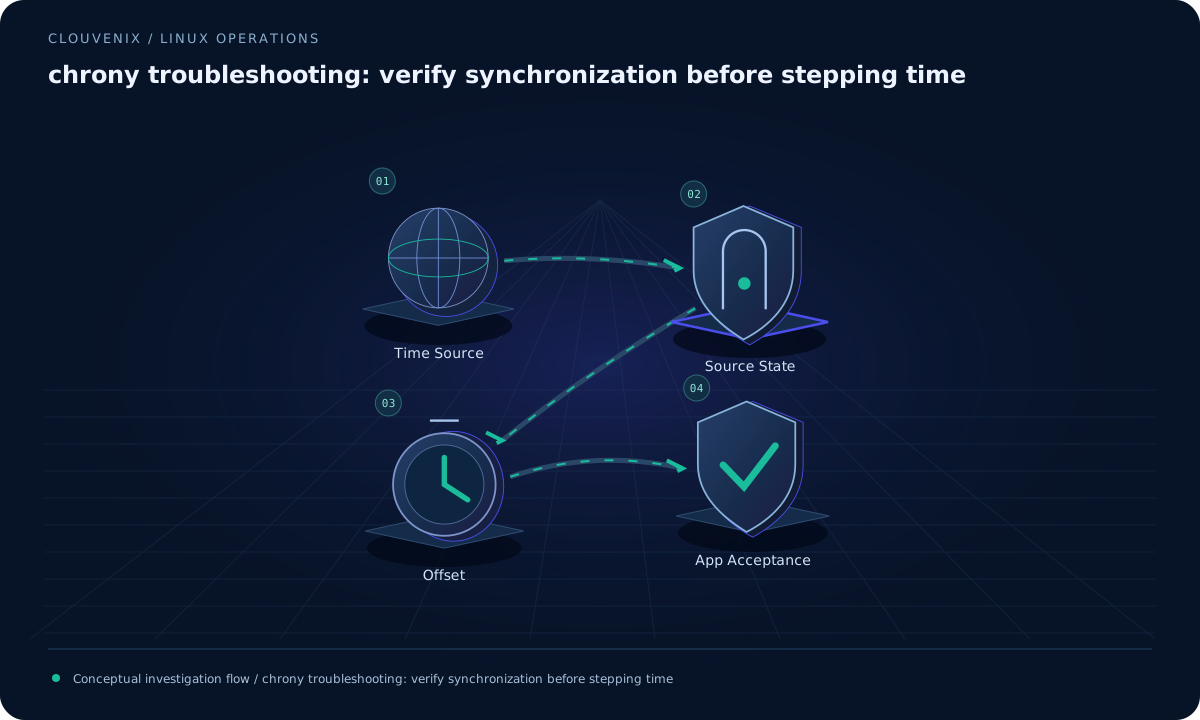 ENGINEERING JOURNAL ↗
chrony troubleshooting: verify synchronization before stepping time
Investigate Linux clock drift using chrony source selection and tracking evidence, then plan correction around application behavior and verify stable synchronization.
Read field note ↗