
Ideas for
your next move.
Practical thinking for teams building software, securing systems and operating modern infrastructure. Explore our engineering field notes.
500 insights · Page 26 of 42
 ENGINEERING JOURNAL ↗
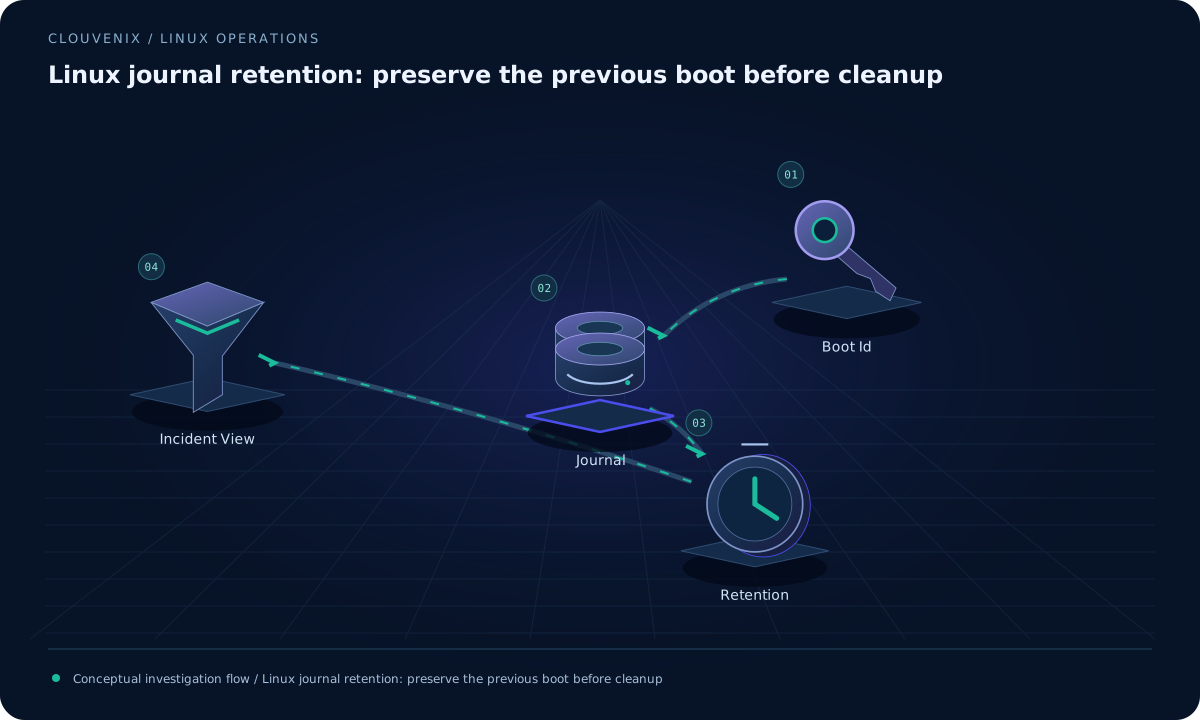
Linux journal retention: preserve the previous boot before cleanup
Design systemd journal retention around incident evidence, inspect boot coverage and capacity limits, and verify persistence without treating log deletion as incident recovery.
Read field note ↗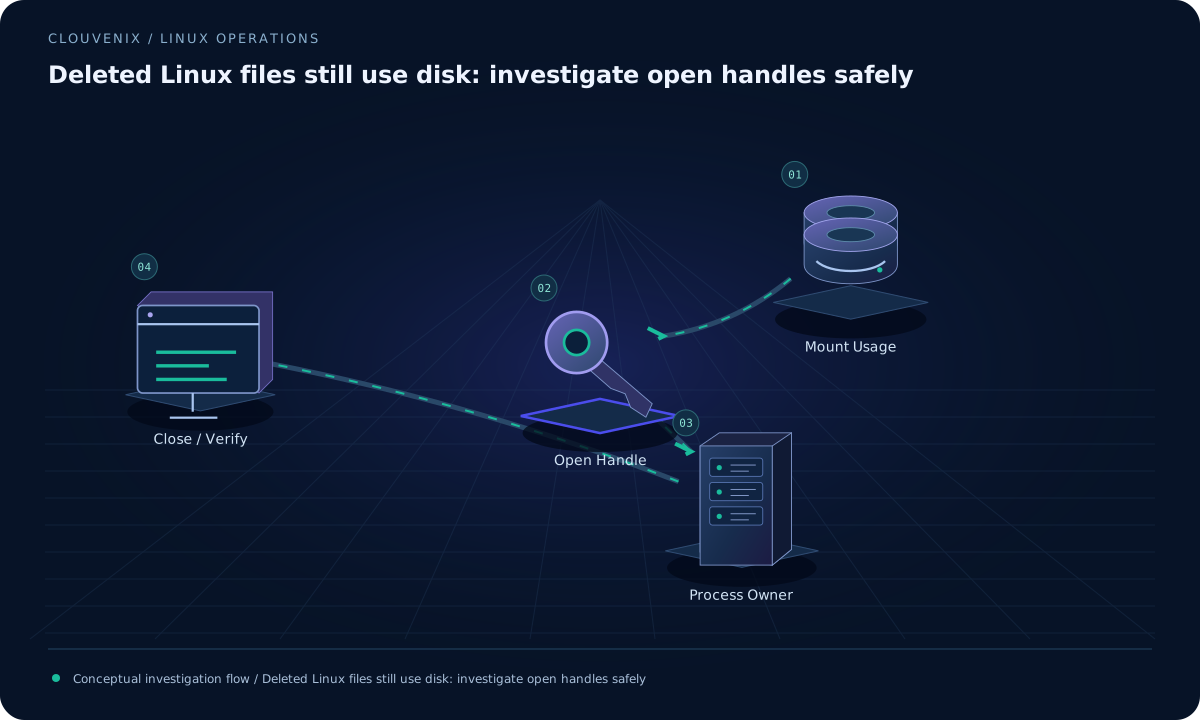 ENGINEERING JOURNAL ↗
Deleted Linux files still use disk: investigate open handles safely
Explain a df versus du gap using filesystem scope and unlinked open files, identify the owning process and recover space through an application-aware close or restart.
Read field note ↗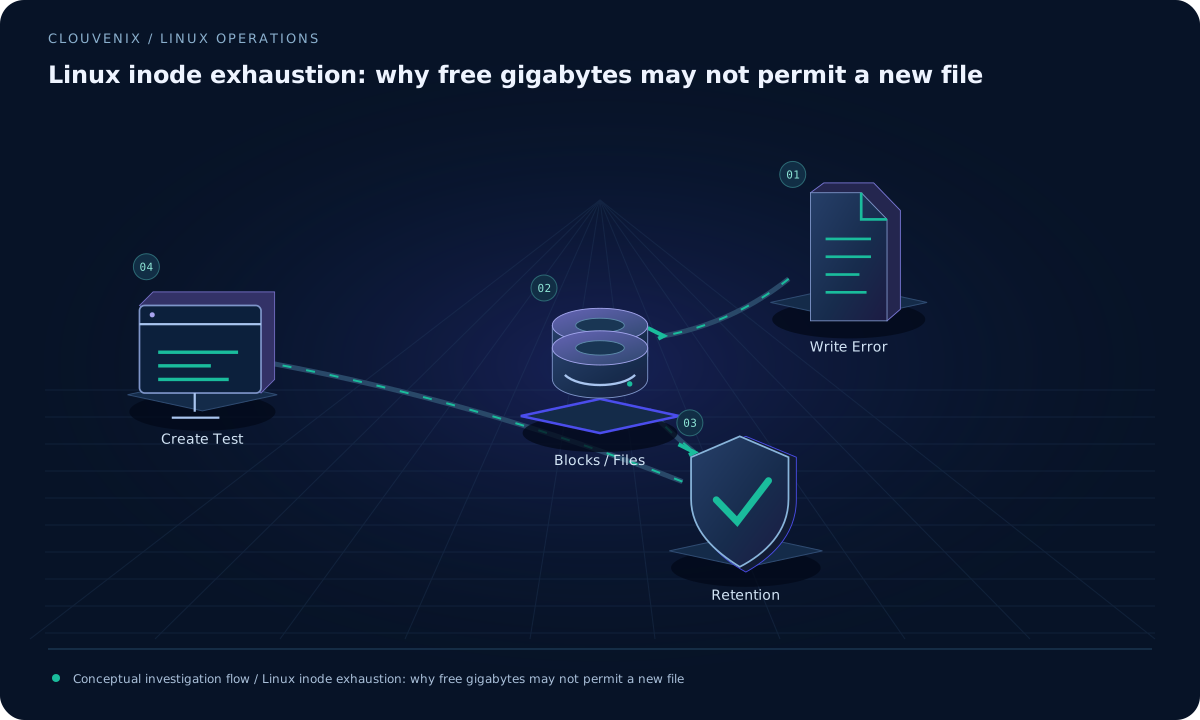 ENGINEERING JOURNAL ↗
Linux inode exhaustion: why free gigabytes may not permit a new file
Separate inode pressure from block capacity, identify high-file-count directories safely and verify that cleanup restores the application without deleting required data.
Read field note ↗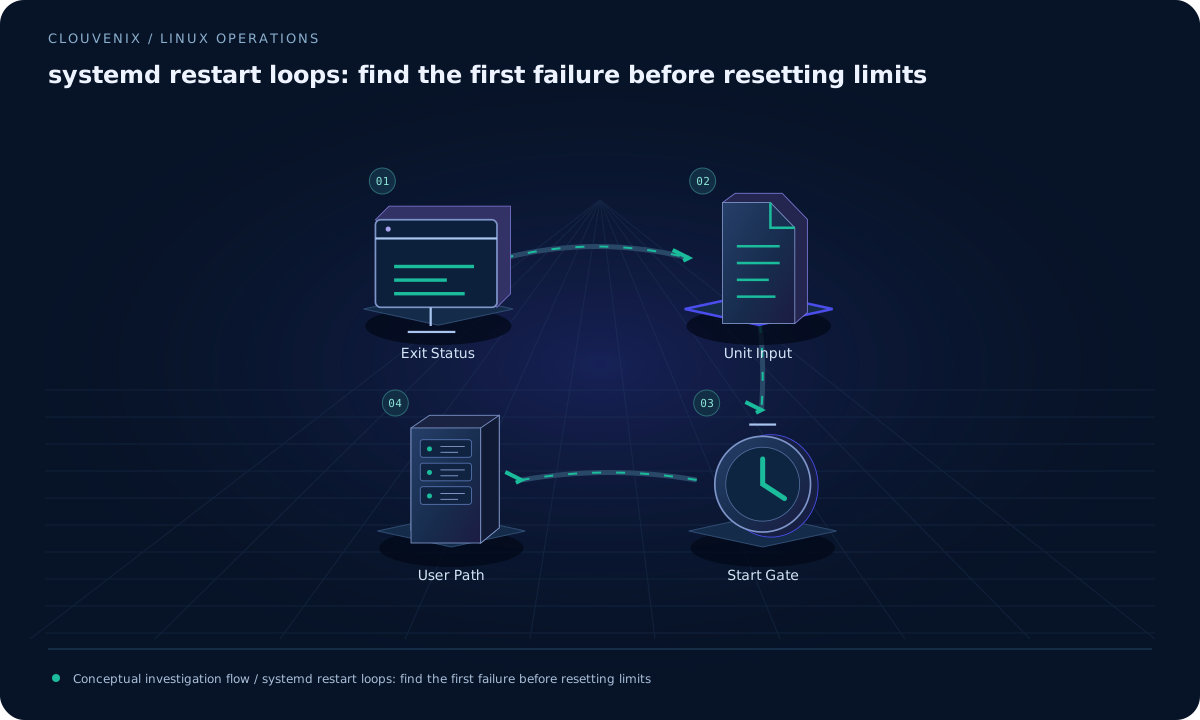 ENGINEERING JOURNAL ↗
systemd restart loops: find the first failure before resetting limits
Investigate Linux service restart loops through exit status, effective unit configuration and start limits, then verify useful recovery beyond an active process.
Read field note ↗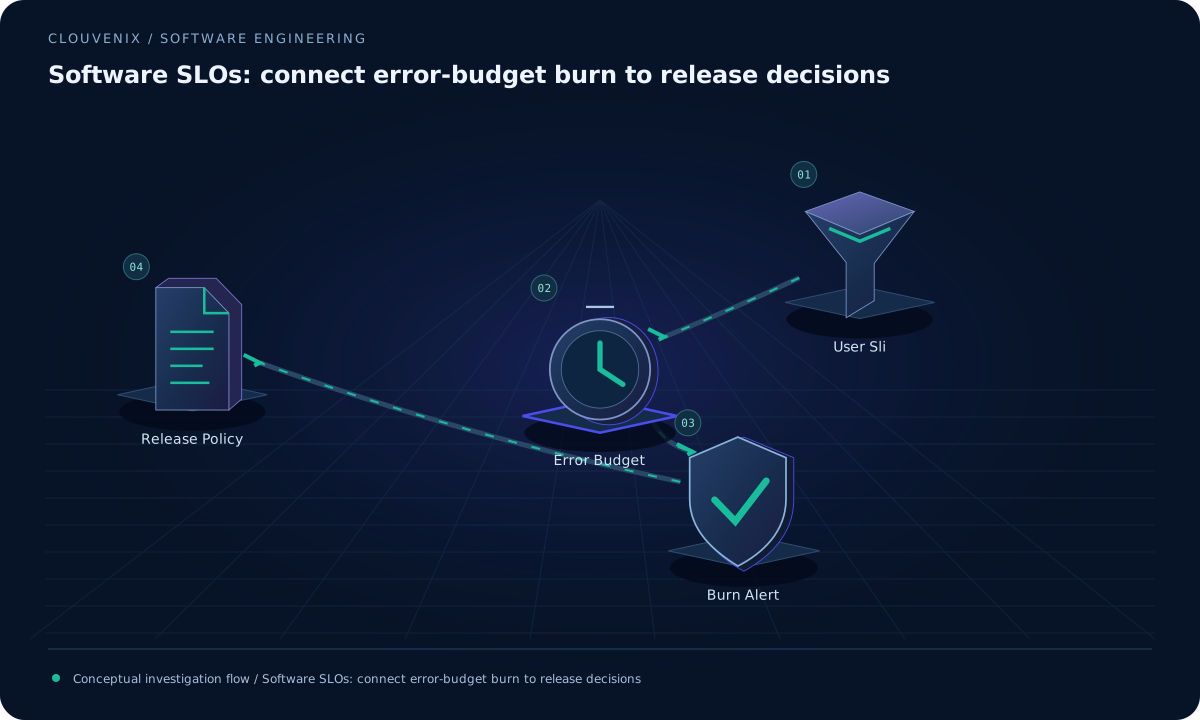 ENGINEERING JOURNAL ↗
Software SLOs: connect error-budget burn to release decisions
Define user-centered SLIs and error-budget alerts, then connect observed burn to an explicit release and incident policy without confusing an internal SLO with an SLA.
Read field note ↗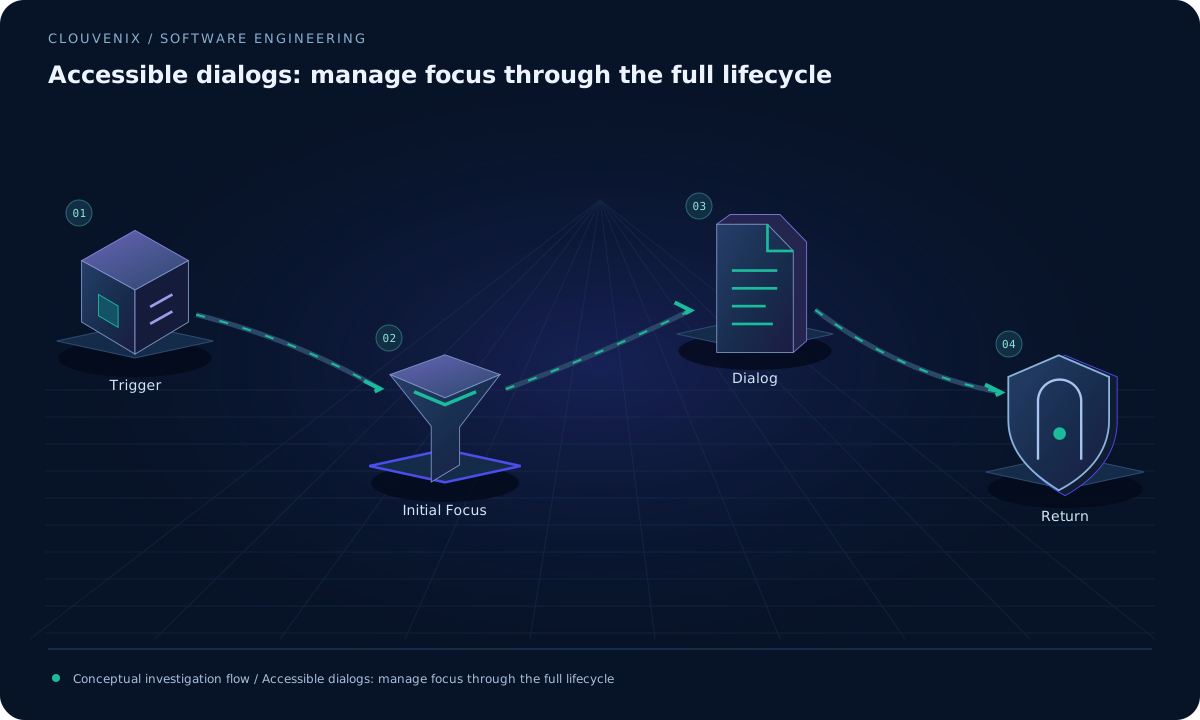 ENGINEERING JOURNAL ↗
Accessible dialogs: manage focus through the full lifecycle
Build modal dialogs with deliberate initial focus, keyboard containment, close behavior and focus restoration, then test the real workflow with assistive technology.
Read field note ↗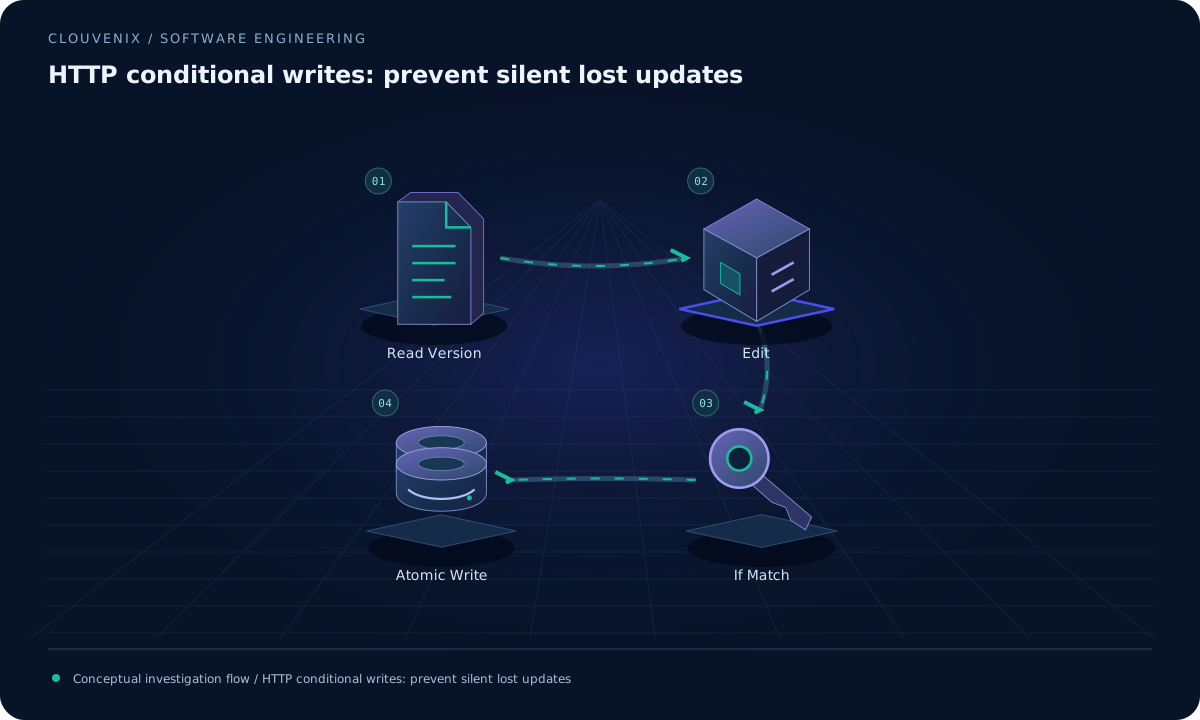 ENGINEERING JOURNAL ↗
HTTP conditional writes: prevent silent lost updates
Protect concurrent edits with strong validators and atomic conditional writes, then give users a safe conflict-resolution path instead of silently overwriting newer work.
Read field note ↗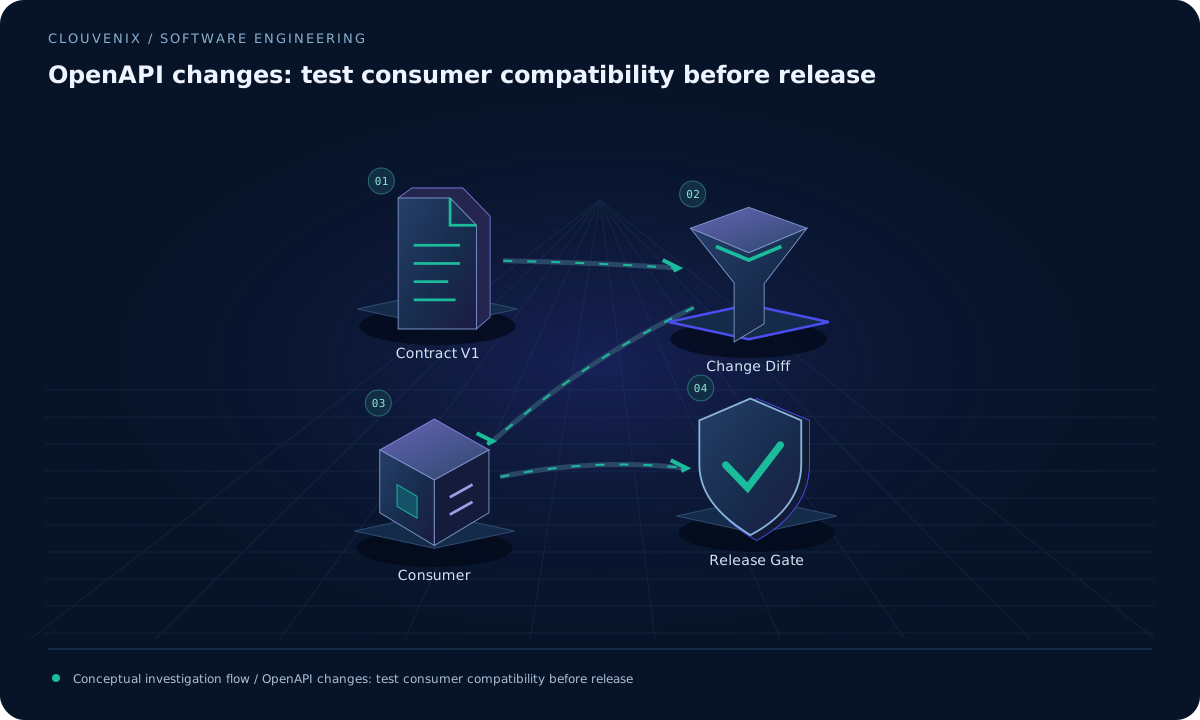 ENGINEERING JOURNAL ↗
OpenAPI changes: test consumer compatibility before release
Review API contract changes across requests, responses and error behavior, then exercise real consumer fixtures instead of assuming a valid OpenAPI document is compatible.
Read field note ↗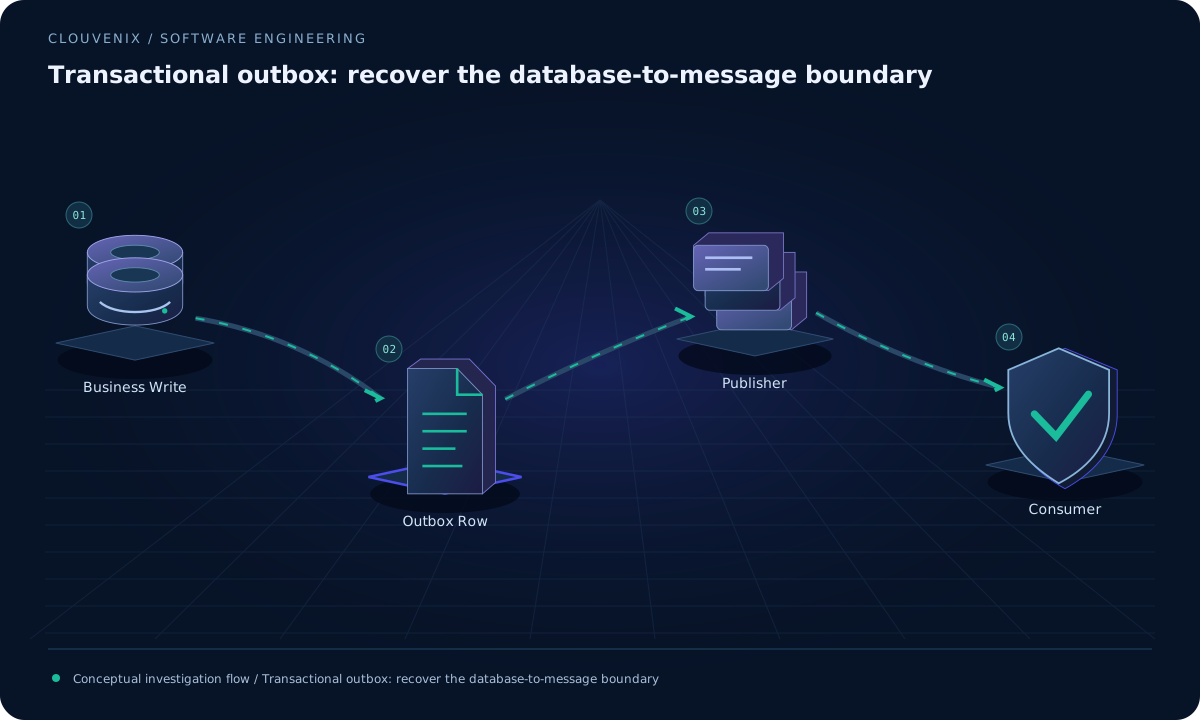 ENGINEERING JOURNAL ↗
Transactional outbox: recover the database-to-message boundary
Use a transactional outbox to track database changes and pending notifications together, then verify publisher recovery, duplicate delivery and consumer idempotency.
Read field note ↗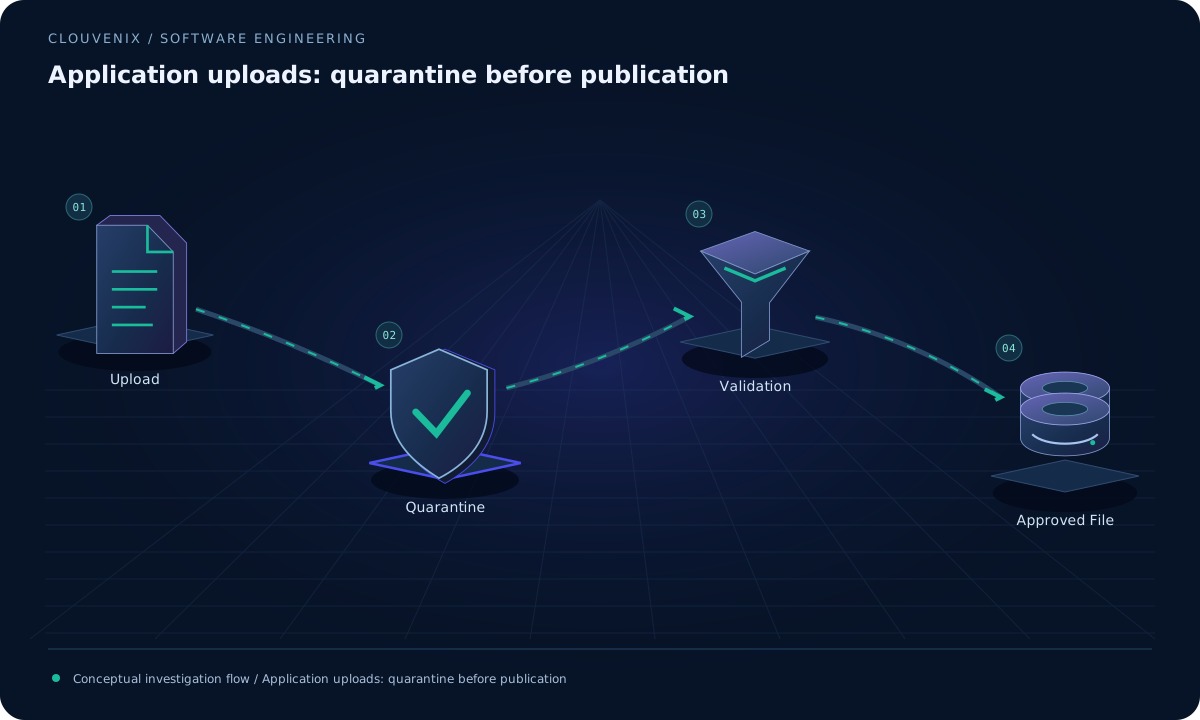 ENGINEERING JOURNAL ↗
Application uploads: quarantine before publication
Build an upload lifecycle with size limits, content validation, private quarantine and authorized release so a successful transfer does not mean a file is safe to publish.
Read field note ↗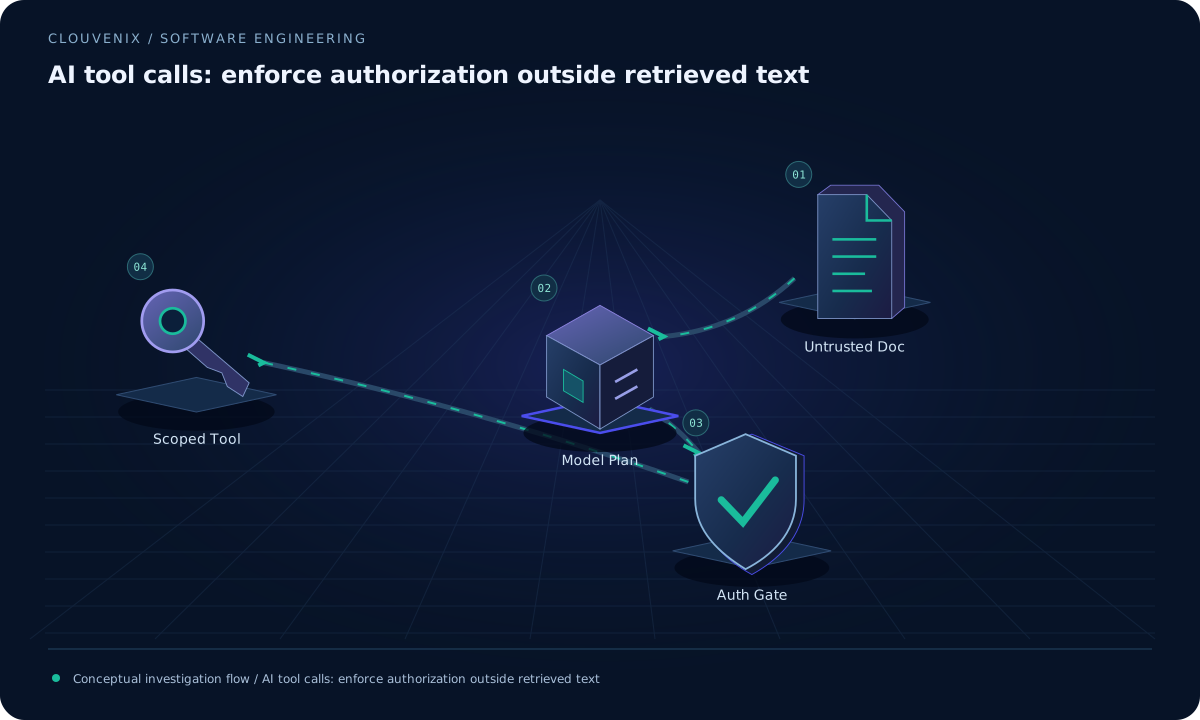 ENGINEERING JOURNAL ↗
AI tool calls: enforce authorization outside retrieved text
Design AI-assisted tools with independent authorization, narrow capabilities and adversarial tests so instructions hidden in documents cannot grant system access.
Read field note ↗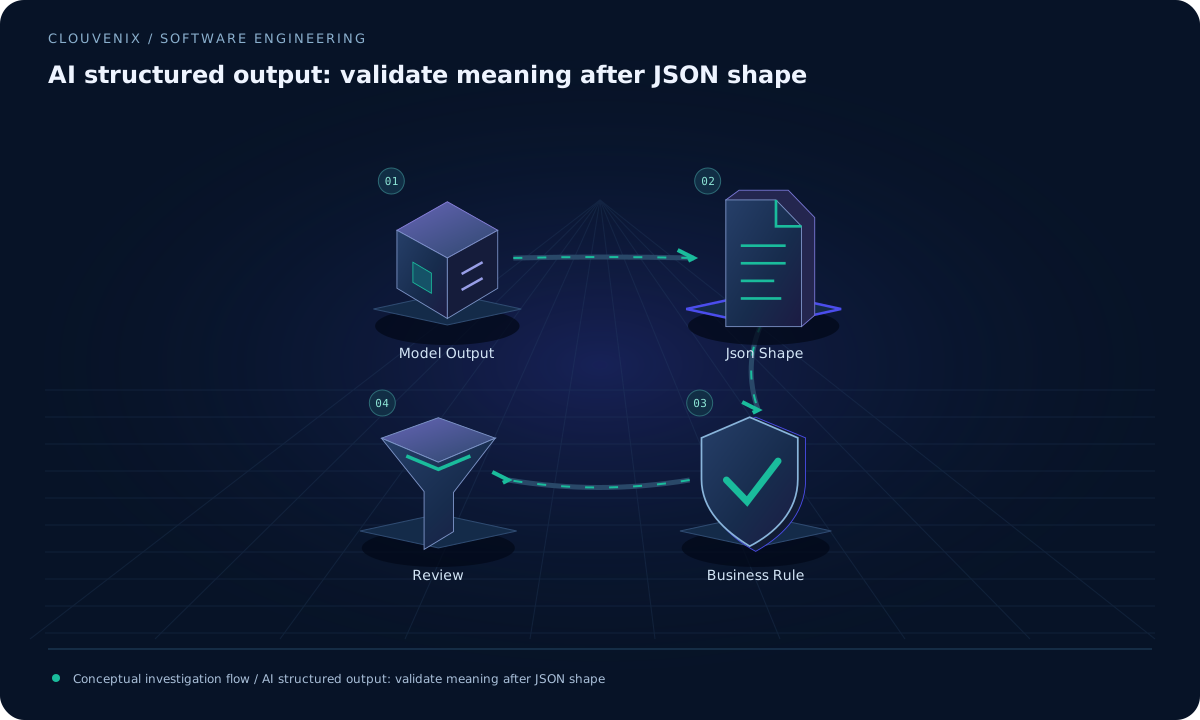 ENGINEERING JOURNAL ↗
AI structured output: validate meaning after JSON shape
Use structured AI responses with explicit schema support, semantic validation and review boundaries so valid JSON cannot silently become an invalid business action.
Read field note ↗